English
 русский
 Español
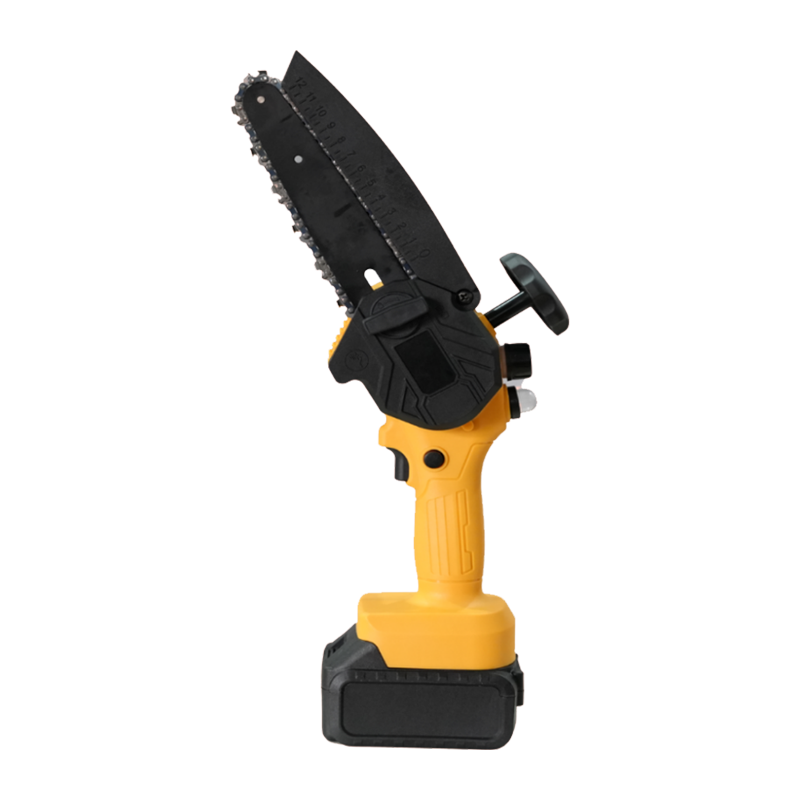
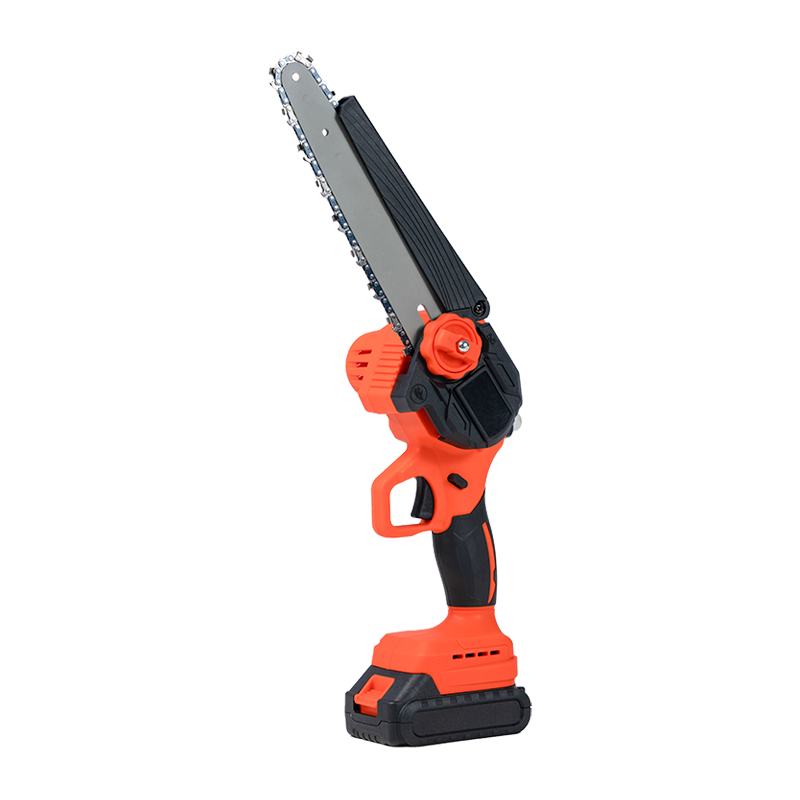
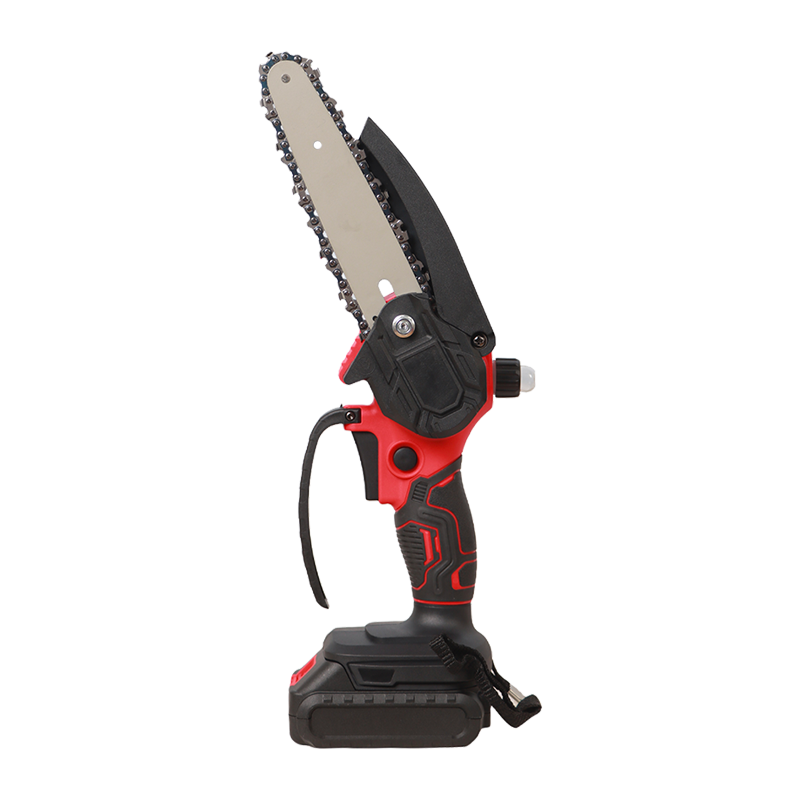
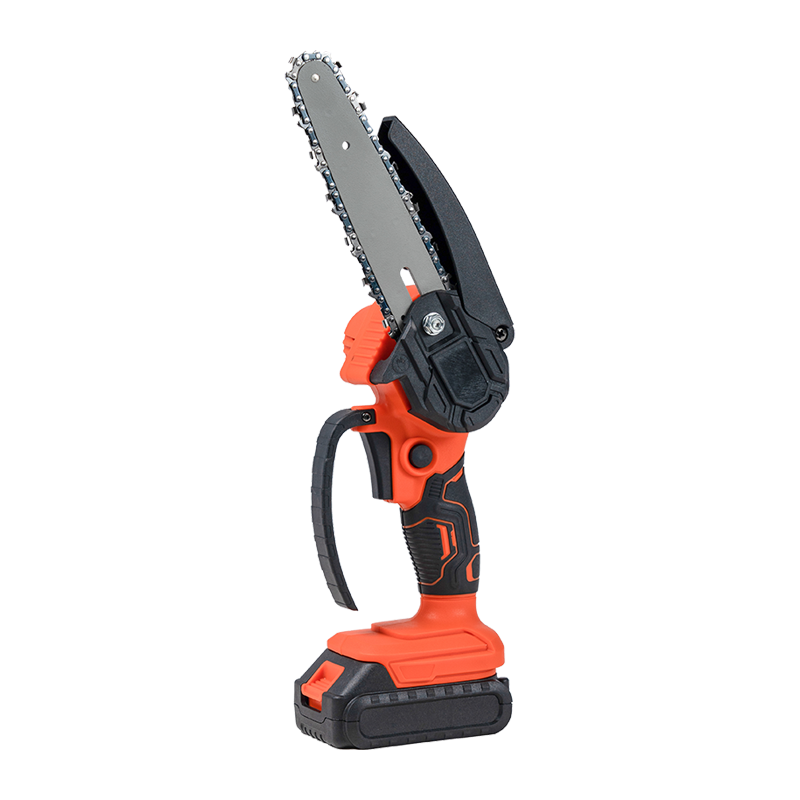
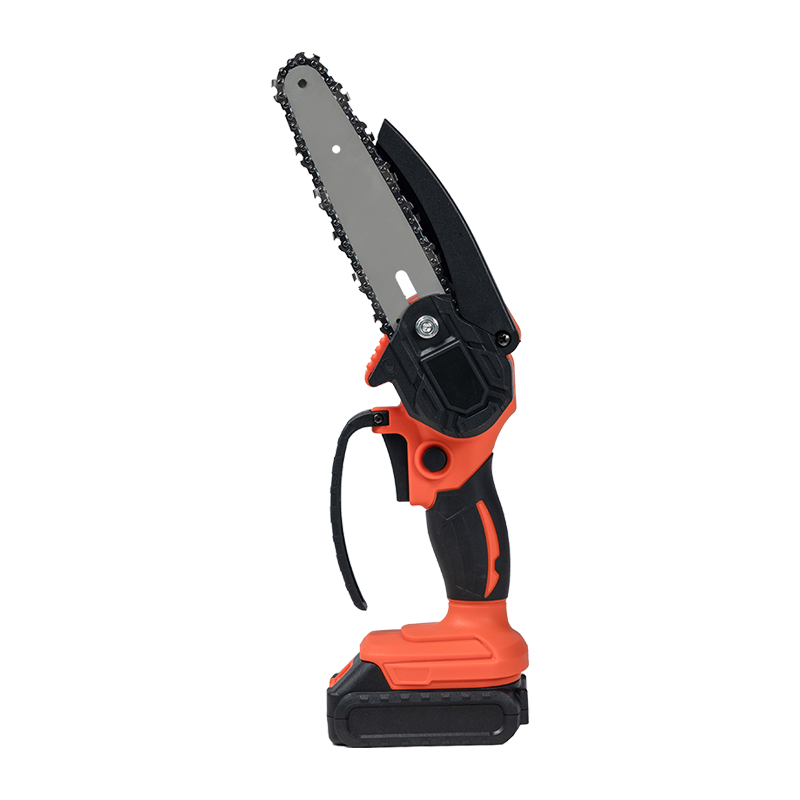
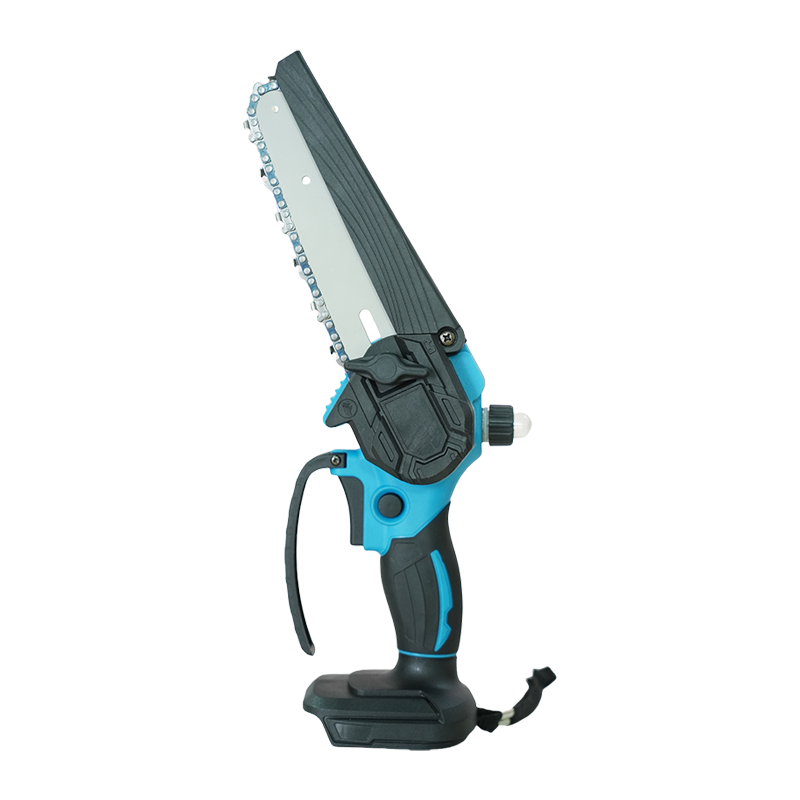
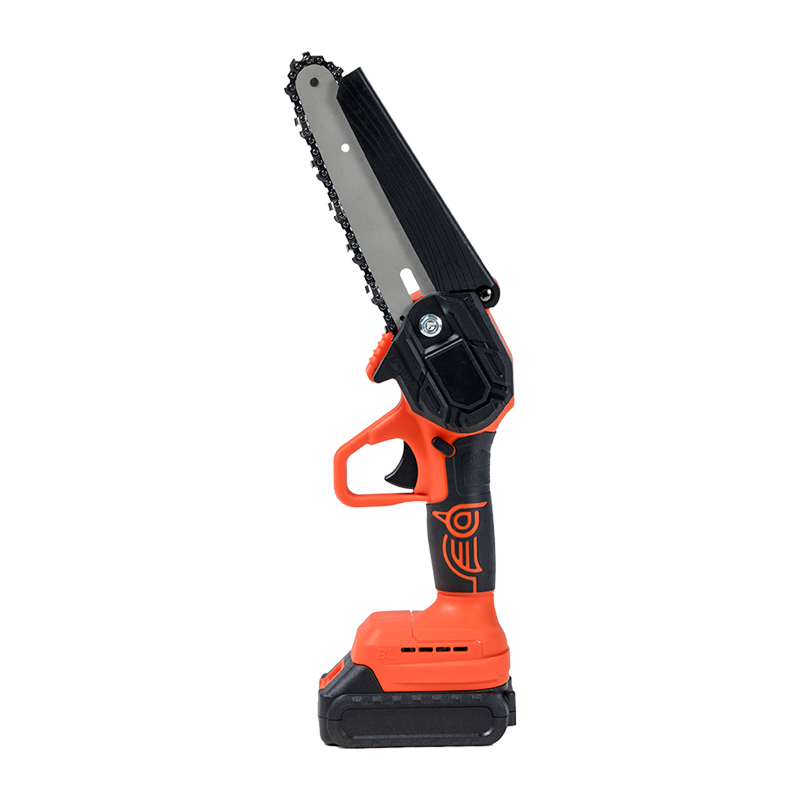
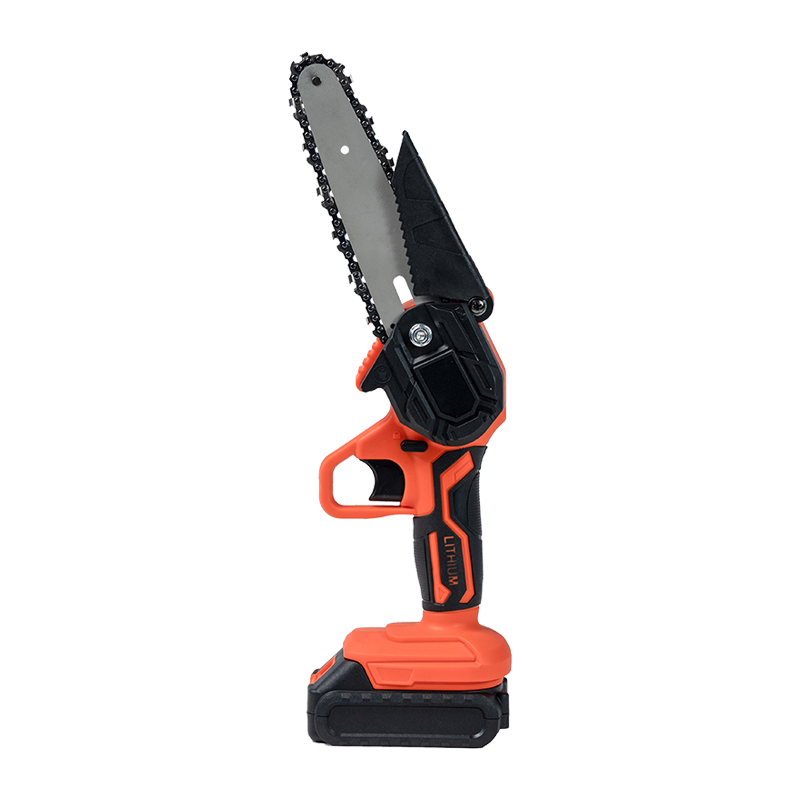
The Mini Lithium Chainsaw is more effective than a manual pruning saw for branches between 1 and 4 inches in diameter, cutting through green wood roughly 5 to 8 times faster while requiring significantly less physical exertion. As a lithium mini chainsaw, it relies on battery power rather than manual effort, which changes the entire pruning experience compared to a traditional hand tool. However, for branches under 1 inch, delicate ornamental cuts, or work in tight spaces close to a trunk, a manual pruning saw still offers better control and precision. The Mini Lithium Chainsaw excels at volume pruning tasks — clearing overgrown hedges, thinning fruit trees, or removing multiple limbs in a single session — while the manual saw remains the better tool for fine, selective cuts where accuracy matters more than speed.
This distinction matters because pruning is not a single uniform task. It ranges from surgical single-branch removal on ornamental trees to aggressive seasonal clearing of overgrown shrubs. Understanding where each tool performs best allows users to avoid wasted effort, reduce plant damage, and get consistent results across different pruning scenarios. For anyone comparing a lithium mini chain saw to a hand saw for the first time, the choice usually comes down to how much cutting volume the task requires.
Cutting Speed and Branch Capacity Compared
The most measurable difference between the Mini Lithium Chainsaw and a manual pruning saw is raw cutting speed. A manual pruning saw relies entirely on the user's arm strength and stroke consistency, meaning a 2-inch diameter branch can take anywhere from 20 to 45 seconds to cut through, depending on wood hardness and blade sharpness. A lithium mini chainsaw, powered by its motor-driven chain, typically completes the same cut in 3 to 6 seconds.
Branch Diameter Performance
Below is a comparison of typical cutting times across common branch diameters encountered during pruning season.
| Branch Diameter | Manual Pruning Saw | Mini Lithium Chainsaw |
|---|---|---|
| Under 1 inch | 5–10 seconds | 2–3 seconds |
| 1–2 inches | 20–30 seconds | 3–5 seconds |
| 2–4 inches | 35–60 seconds | 6–10 seconds |
| Over 4 inches | Not recommended | 10–20 seconds |
For users pruning more than 15 to 20 branches in a single session, this time savings compounds quickly, often reducing total task duration from over an hour to under fifteen minutes. This is one of the main reasons homeowners upgrade from a hand saw to a lithium mini chain saw once their pruning workload increases beyond occasional touch-ups.
Precision and Control for Delicate Cuts
Precision is where the manual pruning saw regains its advantage. A manual saw's thin blade and slower cutting action allow the user to stop mid-cut, adjust the angle, and finish exactly at the branch collar without damaging surrounding bark. This level of control is important when pruning ornamental trees, fruit trees near the trunk, or young saplings where over-cutting can cause long-term damage.
The Mini Lithium Chainsaw, while more compact than a standard chainsaw, still has a fast-moving chain that can be harder to control at low speed. Its reduced size does improve precision compared to full-size chainsaws, but it does not fully match the fine control of a hand tool. Users working close to a trunk, near power lines, or on branches thinner than a pencil generally get cleaner results with a manual saw. Even so, many owners of a lithium mini chainsaw report that with practice, the tool becomes precise enough for most routine pruning work outside of highly delicate cuts.
When Precision Matters Most
- Pruning cuts near the branch collar on fruit or ornamental trees
- Shaping young trees or shrubs where growth direction matters
- Working in confined spaces between structures or fences
- Removing small deadwood without disturbing healthy tissue
Physical Effort and User Fatigue
Physical strain is one of the most commonly reported issues with manual pruning saws, particularly during extended sessions. Repetitive sawing motion engages the shoulder, forearm, and wrist continuously, and many users report fatigue setting in after just 20 to 30 minutes of sustained cutting, especially when working overhead.
A lithium mini chainsaw significantly reduces this strain because the motor performs the cutting work. The user's role shifts from generating force to guiding and stabilizing the tool. Most models in this category weigh between 2 and 4 pounds, making one-handed operation feasible for shorter cuts and reducing arm fatigue during extended pruning sessions. Because a lithium mini chain saw does the bulk of the physical work internally, users with limited grip strength or arm mobility often find it far more accessible than swinging a hand saw repeatedly.
Fatigue Considerations by Session Length
- Short sessions (under 15 minutes): Fatigue difference is minimal between both tools
- Medium sessions (15–45 minutes): Manual saw users report noticeably higher arm and grip fatigue
- Long sessions (45 minutes or more): The Mini Lithium Chainsaw offers a substantial fatigue advantage due to reduced repetitive motion
Safety Considerations During Pruning Work
Safety profiles differ meaningfully between the two tools. A manual pruning saw carries lower risk overall because it lacks a motorized chain, making accidental injuries generally less severe. Cuts from a manual saw tend to be shallow and slow-developing, giving users more reaction time.
A lithium mini chainsaw requires more deliberate safety practices. Even in compact form, a moving chain can cause deeper injuries faster than a hand tool. Reputable models include a chain brake, blade guard, and safety lock trigger to reduce accidental engagement, but users should still wear cut-resistant gloves and eye protection when operating it, particularly during overhead pruning. Because a lithium mini chain saw is lightweight, it can be tempting to use it one-handed at awkward angles, so maintaining a stable stance is essential for safe operation.
Recommended Safety Practices
- Always engage the chain brake before repositioning the tool
- Keep both hands clear of the chain path during operation
- Avoid overhead cutting above shoulder height when possible
- Inspect the battery and chain tension before each use
Maintenance and Long-Term Ownership Costs
Manual pruning saws require minimal maintenance, typically just occasional blade sharpening or replacement, which costs very little and takes only a few minutes. There is no battery, motor, or chain lubrication to manage, making it a low-maintenance option for occasional users.
A lithium mini chainsaw requires slightly more upkeep. Users need to monitor chain tension, bar lubrication, and battery health over time. Lithium batteries generally last 2 to 4 years with regular use before capacity noticeably declines, and replacement chains are an ongoing but inexpensive cost. Despite this added maintenance, the time saved on larger pruning jobs often outweighs the extra care required. Owners who invest in a lithium mini chain saw typically find that basic upkeep, such as wiping down the bar and checking tension before each session, takes only a few minutes and prevents most performance issues.
Choosing the Right Tool for Your Pruning Needs
The decision between the Mini Lithium Chainsaw and a manual pruning saw ultimately depends on the scale and precision requirements of the task. Neither tool is universally superior; each serves a distinct role in a well-rounded pruning workflow.
Best Use Cases for the Mini Lithium Chainsaw
- Seasonal clearing of overgrown branches and hedges
- Cutting multiple branches in the 1 to 4 inch range
- Users with limited arm strength or endurance
- Time-sensitive pruning tasks with many branches to remove
Best Use Cases for a Manual Pruning Saw
- Detailed, close-quarters cuts near the trunk or collar
- Thin branches under 1 inch in diameter
- Occasional pruning where tool cost and maintenance should be minimal
- Situations requiring silent, low-vibration operation
Many experienced gardeners use both tools together: a lithium mini chainsaw for bulk removal of thicker branches, and the manual saw for final shaping and precision cuts. This combined approach delivers the speed benefits of powered cutting without sacrificing the control needed for healthy, well-formed trees and shrubs. Ultimately, whether you choose a lithium mini chain saw, a manual saw, or both, matching the tool to the specific pruning task is the most reliable way to protect plant health while saving time and effort.