Structural Optimization and Lightweight Engineering of Lithium Lawn Mowers
The selection of chassis materials forms the basis of the overall mower structure. In
lithium lawn mowers, we prefer materials that balance strength with minimal weight. Common materials include reinforced polypropylene composites, high-impact ABS plastic, and aircraft-grade aluminum alloys. These are not just lighter than the steel frames used in gas-powered models, but also more corrosion-resistant and resilient under environmental exposure. For instance, aluminum resists rusting even after prolonged contact with wet grass or morning dew, which enhances long-term durability. By reducing the mower’s overall mass through strategic material choices, we are able to achieve significant gains in user control and energy efficiency. Less weight translates to easier navigation, especially when maneuvering around garden edges, inclines, and uneven terrain. The lighter weight also reduces the load on the drive motor, meaning the battery lasts longer per charge. A structurally lightweight mower doesn’t just benefit from better handling—it enables faster completion of lawn care tasks without physical strain. Over time, this adds up to substantial operational efficiency. Nantong Boliu Electromechanical Technology Co., Ltd. leverages its injection molding capabilities to manufacture lightweight yet robust chassis components in-house. With precision-engineered molds and material processing expertise, the company ensures consistent weight distribution and structural integrity across all units. The strategic combination of thermoplastic rigidity and flexible design elements results in a frame that delivers lasting performance while remaining easy to maneuver for users in various global markets.
In lithium lawn mower design, the internal layout of structural components is optimized around the central axis of weight. Traditional gas mowers place the engine and fuel tank at the front or rear, often leading to unbalanced handling. In contrast, lithium-powered mowers allow for more centralized battery and motor placement. This reconfiguration of internal weight improves handling dynamics and ensures more stable cutting action. A centrally located battery reduces the tendency for the mower to tip forward or backward during operation. This optimized internal alignment impacts more than just balance—it affects how evenly our mower interacts with grass surfaces. With the center of gravity maintained over the drive axis, we achieve a consistent blade-to-ground distance, which ensures uniform cutting height across the lawn. We avoid the scalping or uneven mowing often caused by weight imbalances. The even weight reduces friction on wheel bearings, extending the life of those components and making the entire machine feel more responsive during steering. Nantong Boliu Electromechanical Technology Co., Ltd. utilizes advanced CAD modeling and structural analysis tools to simulate battery and motor placement during early-stage design. By performing finite element simulations and real-world load testing, the company validates internal alignment for stability and efficiency. The result is a mower that feels balanced whether it’s pushed manually or driven with powered wheels.
The mower deck is where mechanical forces converge—from spinning blades to grass lift airflow—and it must withstand stress while contributing to cut quality. In lithium lawn mowers, the deck is engineered with precision-molded contours that enhance both durability and cutting effectiveness. Internal ribs, honeycomb structures, and directional airflow channels are molded into the deck walls. These structural elements reduce flexing and vibration, while also directing grass into the cutting zone more efficiently. Strong deck design minimizes distortion even during continuous operation across thick or damp grass. Rigid decks also improve blade clearance, so we maintain clean lines and avoid blade stalling. The combination of airflow and blade positioning ensures that each pass of the mower removes a consistent amount of grass, eliminating the need for repetitive mowing. Integrated drainage slots prevent the accumulation of grass clippings or moisture, helping us keep the deck clean and functional between uses. Nantong Boliu Electromechanical Technology Co., Ltd. applies multi-point reinforcement across its mower decks, based on extensive performance testing. The company's structural testing protocols include drop tests, vibration simulations, and long-cycle blade torque analysis. These evaluations confirm that the mower can maintain structural rigidity even under adverse conditions. Such reinforcement also protects internal electronics and battery compartments from impact-related damage, contributing to longer equipment life and fewer warranty issues.
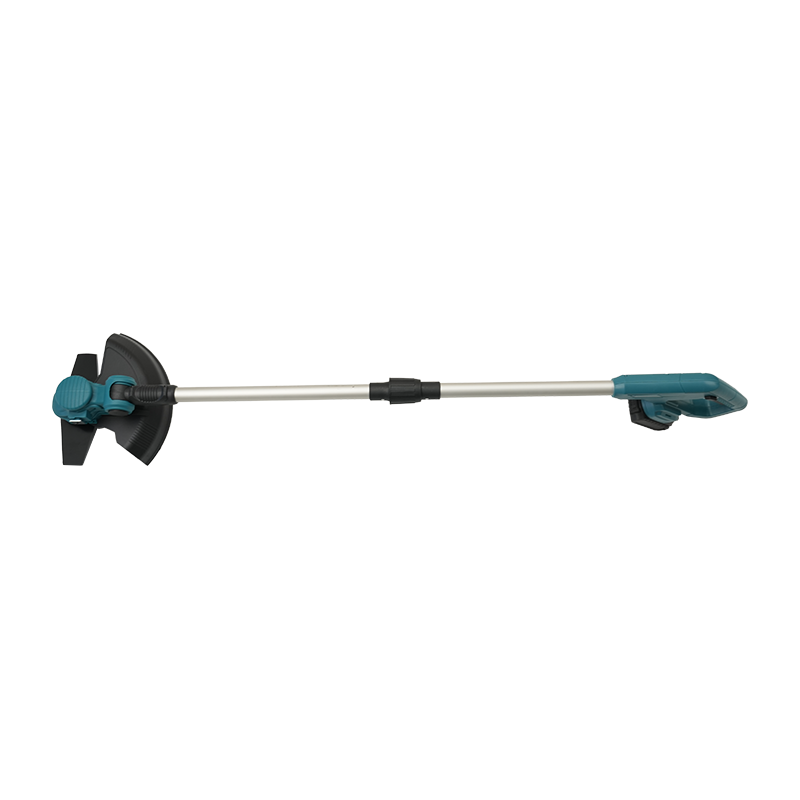
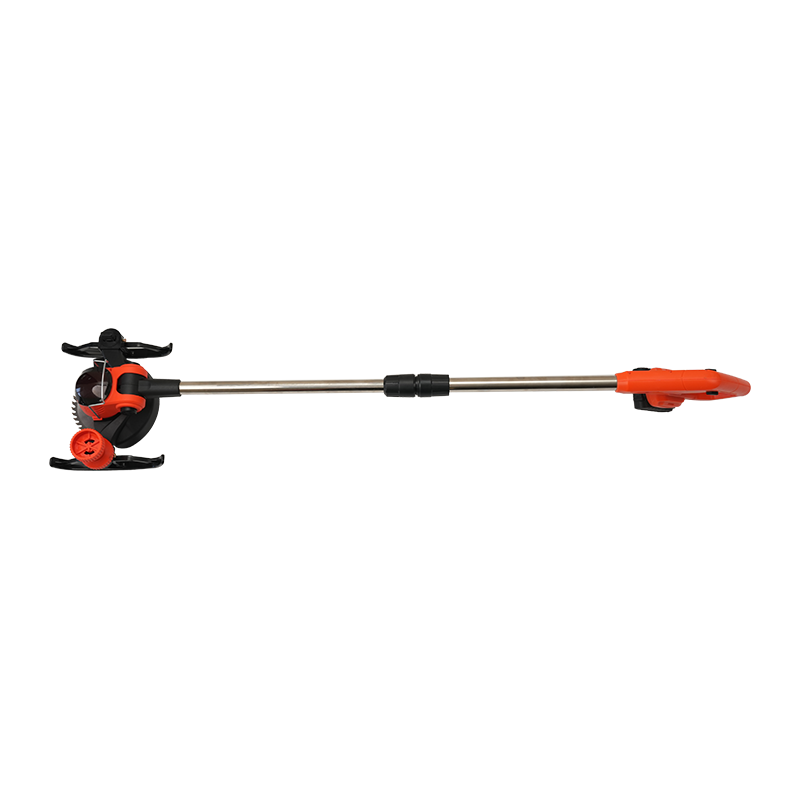
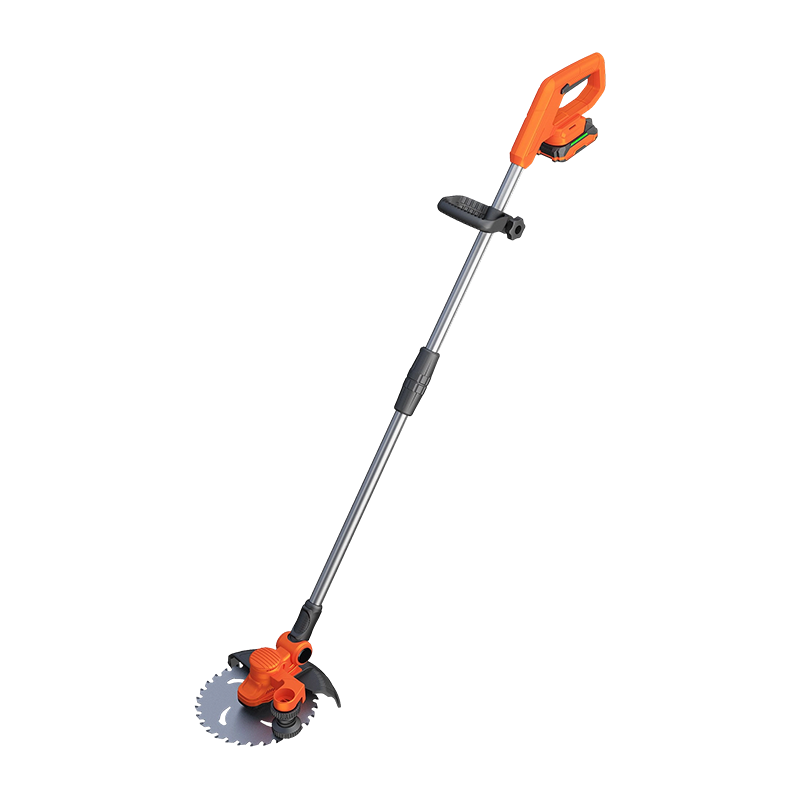
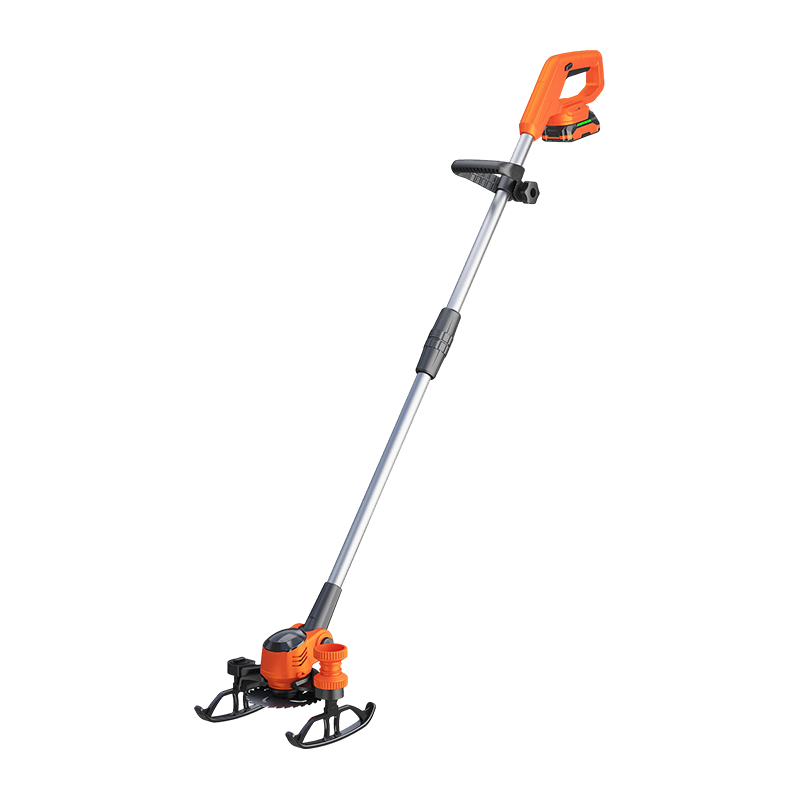
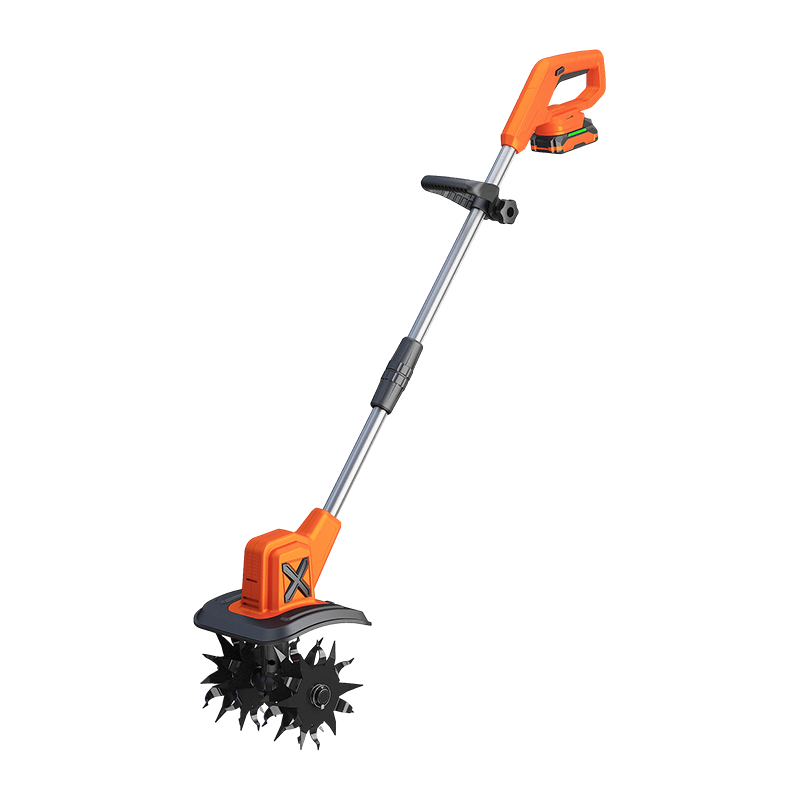
Mower’s structural engineering is incomplete without considering the user interface—primarily the handle and control frame. Lithium mowers, due to their reduced vibration and lighter mass, allow us to design more ergonomic handles that reduce fatigue and allow for longer mowing sessions. Instead of stiff, welded steel bars, engineers now use extruded aluminum tubes or composite structures with soft touchpoints and vibration-dampening joints. These handle structures are foldable or height-adjustable, enabling us to store the mower in compact spaces or tailor the grip to our body height. The structural integration of the handle into the frame also improves control feedback. Every bump or directional change we make transfers smoothly, giving us a precise feel over terrain. Integrated safety controls and trigger switches can be housed within the handle structure, eliminating external wiring and improving water resistance. Nantong Boliu Electromechanical Technology Co., Ltd. incorporates operator feedback into each handle system design. By prototyping multiple handle geometries and conducting user comfort trials, the company ensures that each lithium lawn mower adapts to varying hand sizes, arm lengths, and pushing techniques. Whether the mower is used in a suburban home or a commercial landscaping job, the control feel remains steady, intuitive, and fatigue-free—thanks to structural attention to user experience.
Maintenance and repair efficiency are crucial considerations in lithium lawn mower design, especially for frequent users or commercial operators. Lightweight engineering allows for modular component systems, meaning structural parts like the deck, handle, battery compartment, or wheel assemblies can be removed or serviced individually. This modularity simplifies diagnostics, battery swaps, or blade replacements, reducing downtime and ensuring continued performance. Quick-access hatches, removable covers, and color-coded fasteners make structural interaction straightforward. Tool-less design features enable us to perform basic upkeep without requiring specialized equipment. This structural approach not only saves time but also reduces the chance of user error during disassembly. It also allows us to upgrade or replace worn components instead of discarding the entire unit, aligning with long-term value and environmental sustainability. Nantong Boliu Electromechanical Technology Co., Ltd. designs its lithium lawn mowers with structural modularity at the core. Assembly lines are configured to build units in segments, enabling easier troubleshooting and customization. This also supports the company’s global OEM/ODM services, where product variations may require specific regional adaptations. Whether it's modifying battery mounts or adjusting blade drive enclosures, the modular structure ensures flexible, scalable production without sacrificing build integrity.


 English
 русский
 Español