English
 русский
 Español
Field Guide — Outdoor Equipment
Wet grass looks harmless. Mechanically and electrically, it isn't — and knowing exactly why changes how you should mow.
The Direct Answer
The short answer is no — you should avoid mowing wet grass whenever possible. Wet conditions significantly increase the risk of slipping, electrical hazards, clogged mower decks, uneven cuts, and even fungal disease spread across your lawn. If mowing cannot be delayed, the safest approach is to wait until the grass is at least 70% dry, use a mower with strong traction control, wear slip-resistant footwear, and reduce your walking speed by roughly half.
For homeowners using electrical equipment such as a Lithium Lawn Mower, extra caution is required around moisture exposure to battery contacts and charging ports — even though these units are generally safer than corded electric models in damp environments.
Lithium Lawn Mower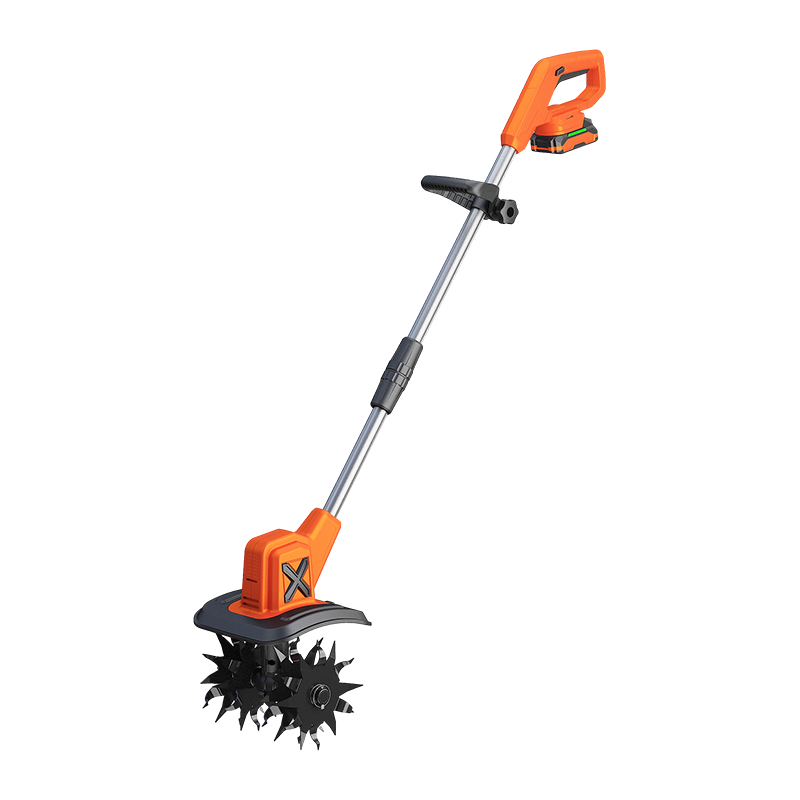
This guide breaks down exactly why wet grass mowing is risky, what precautions reduce that risk, and how battery-powered equipment compares to gas engines when conditions are less than ideal.
Why Wet Grass Creates Serious Safety Risks
Wet grass changes the physical behavior of both the operator and the machine. Moisture reduces friction between shoes and ground, grass clippings clump instead of discharging cleanly, and visibility of hazards like rocks, roots, or holes drops because the grass lies flatter and hides the terrain underneath.
Reduced Traction for the Operator
Studies on lawn equipment injuries consistently identify slips and falls as a leading cause of mower-related accidents. Wet grass can reduce footwear traction by as much as 30–40% compared to dry turf, according to occupational safety research on outdoor work surfaces. A slip while holding a push mower can result in the operator's foot sliding toward the mower deck, leading to severe lacerations.
A slip on wet turf takes a fraction of a second — the mower deck doesn't.
Mower Traction Loss on Slopes
Self-propelled and riding mowers rely on tire grip to maintain control. On wet or dewy slopes, wheels can lose grip even at low speeds, causing the machine to slide sideways or downhill unexpectedly. This is particularly dangerous on inclines greater than 10 degrees, which many manufacturers already flag as a mowing risk zone even in dry conditions.
Electrical and Battery Safety Considerations
Electrical safety is one of the most misunderstood aspects of wet grass mowing. Corded electric mowers pose the highest shock risk, since water can enter connectors or damaged cords and create a conductive path back to the operator. Gas mowers avoid electrical shock risk entirely but introduce fuel-related hazards, since wet grass clippings can clog the muffler area and increase fire risk from heat buildup.
How a Lithium Battery Lawn Mower Compares
A lithium battery lawn mower is generally considered safer around moisture than a corded electric mower because there is no exposed cord running through wet grass. Most reputable lithium-powered units are built with sealed battery compartments and an IPX4 or higher water-resistance rating, meaning they can tolerate light splashing without immediate failure. "Water-resistant" is not the same as "waterproof," however, and the following precautions still apply:
- Never charge the battery immediately after mowing wet grass; allow the unit to fully dry first.
- Inspect battery terminals for moisture or corrosion before insertion.
- Avoid submerging the mower deck or battery compartment when cleaning.
- Store the battery indoors, away from humidity, when not in use.
Because a Lithium Lawn Mower typically operates at lower voltage than corded alternatives and lacks an exposed power cable, the shock risk during operation is substantially reduced. This makes battery-powered models a reasonable choice for homeowners in regions with frequent morning dew or unpredictable rainfall, provided the manufacturer's water-resistance guidelines are followed closely.
Water-resistant does not mean waterproof. Never charge or store a battery that hasn't fully dried after use.
Mechanical Risks: Clogging, Clumping, and Uneven Cutting
Wet grass clippings are heavier and stickier than dry clippings, which causes them to clump inside the mower deck rather than discharging through the chute. This creates several downstream problems.
Blade Strain and Motor Overheating
When clippings pack under the deck, the blade has to work harder to cut through resistance, which can strain the motor. On gas mowers, this can cause stalling; on electric or lithium-powered units, prolonged strain can trigger the motor's thermal cutoff or shorten battery run time by 15–25% per charge cycle.
Uneven or "Scalped" Cuts
Wet grass blades bend under the mower's weight before the blade reaches them, resulting in uneven cutting height. This often produces a scalped or torn appearance rather than a clean cut, which also stresses the lawn and increases susceptibility to fungal disease.
Step-by-Step Precautions If You Must Mow Wet Grass
Sometimes waiting isn't an option due to scheduling or rapidly growing grass. If you must mow in damp conditions, follow these steps to minimize risk.
- Wear slip-resistant, closed-toe shoes with deep tread, never sandals or sneakers with smooth soles.
- Raise the cutting height by one notch to reduce blade strain and clumping.
- Mow at a slower pace than usual, maintaining a wider stance for balance.
- Avoid slopes entirely until the grass and soil have dried.
- Stop periodically to clear clumped clippings from the deck and discharge chute, with the mower powered off.
- If using a lithium battery lawn mower, monitor the battery indicator closely, as wet clippings can drain the charge faster than expected.
- Dry the mower deck, wheels, and battery compartment thoroughly after use before storage.
When You Should Not Mow at All
Certain conditions cross the line from "risky but manageable" to "not safe under any circumstances." The table below outlines common scenarios and the recommended action.
| Condition | Risk Level | Recommended Action |
|---|---|---|
| Light morning dew | Low–Moderate | Wait 1–2 hours for sun to dry grass |
| Grass wet from recent rain, soil firm | Moderate | Proceed with caution, avoid slopes |
| Standing water or muddy soil | High | Do not mow; risk of injury and equipment damage |
| Active rainfall or thunderstorm | Severe | Stop immediately; lightning and shock risk |
Never operate any powered mower — gas, corded, or battery — during active rainfall or lightning.
Post-Mowing Care to Protect Your Equipment
Proper aftercare extends the life of your mower and reduces the chance of future hazards. Wet grass residue left inside the deck can corrode metal components and encourage rust over time, particularly on the underside of the deck where clippings accumulate.
Cleaning the Deck Safely
Always disconnect the spark plug on gas mowers or remove the battery on electric and Lithium Lawn Mower models before cleaning underneath the deck. Use a plastic scraper or brush rather than bare hands to avoid blade contact injuries.
Battery Maintenance for Electric Models
For a lithium battery lawn mower, wipe down the battery housing with a dry cloth and inspect the charging port for any trapped moisture before reconnecting to a charger. Manufacturers commonly recommend waiting at least 30 minutes after wet-grass use before charging to allow internal components to reach a stable temperature and moisture level.
A dry, well-maintained deck and battery compartment is the single easiest way to extend the working life of your mower.
Final Takeaways
Mowing wet grass is never ideal, but it is sometimes unavoidable. The key to staying safe is recognizing that moisture affects three things simultaneously: your footing, the mower's mechanical performance, and, for electric models, the equipment's electrical integrity. By choosing appropriate footwear, adjusting your mowing technique, and understanding how your equipment handles moisture, you can significantly reduce injury risk.
For those weighing equipment options, a well-built Lithium Lawn Mower with a sealed, water-resistant battery compartment offers a meaningful safety advantage over corded electric models in unpredictable weather, though it should still be treated with the same caution as any powered outdoor equipment. When in doubt, the safest choice is always to wait for the grass to dry before mowing.