English
 русский
 Español
1. Advantages of the Mini Lithium Chainsaw
Portability
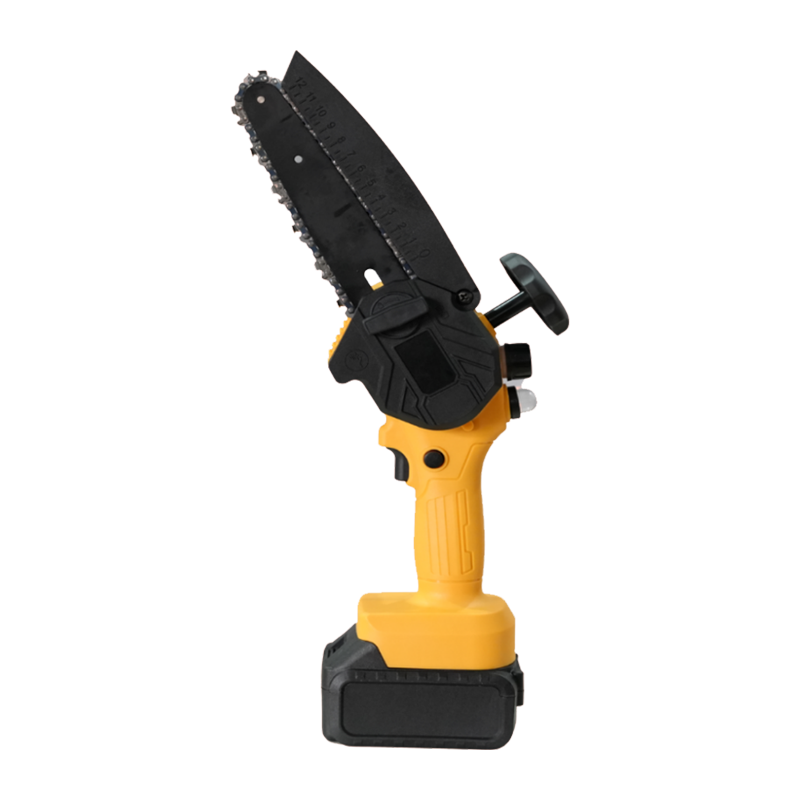
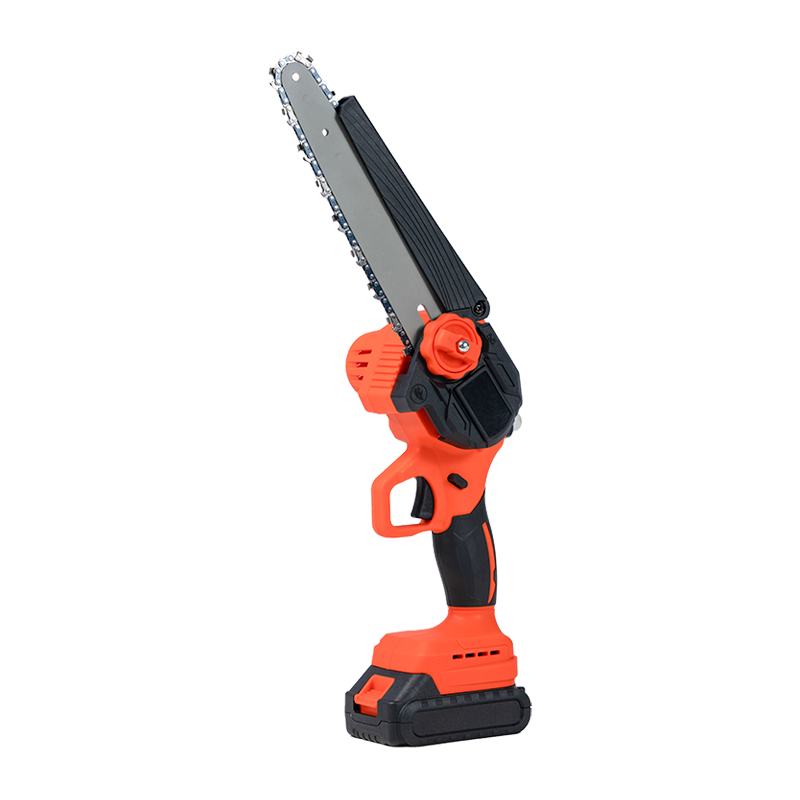
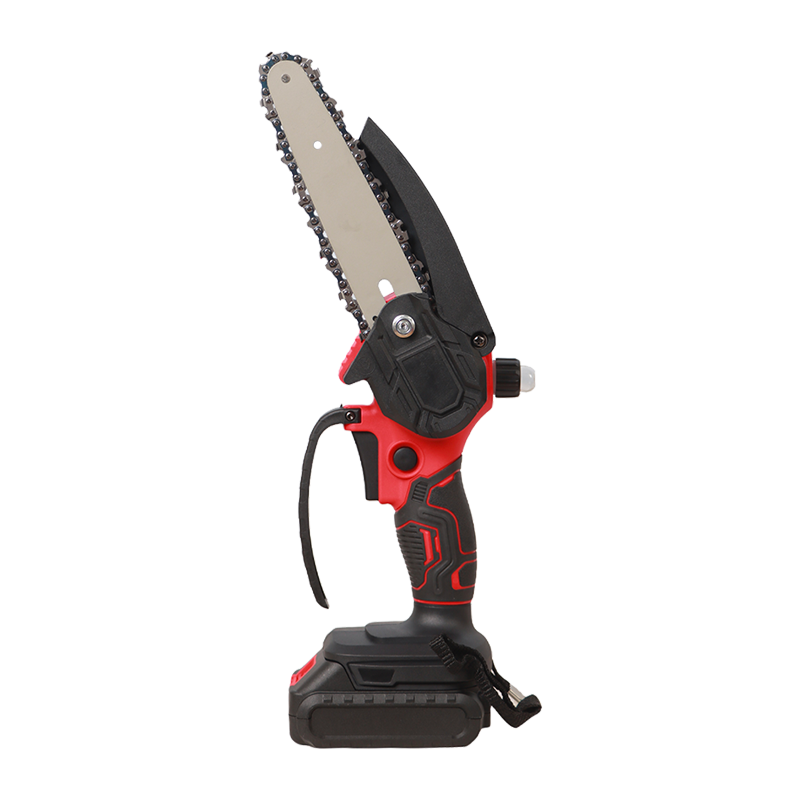
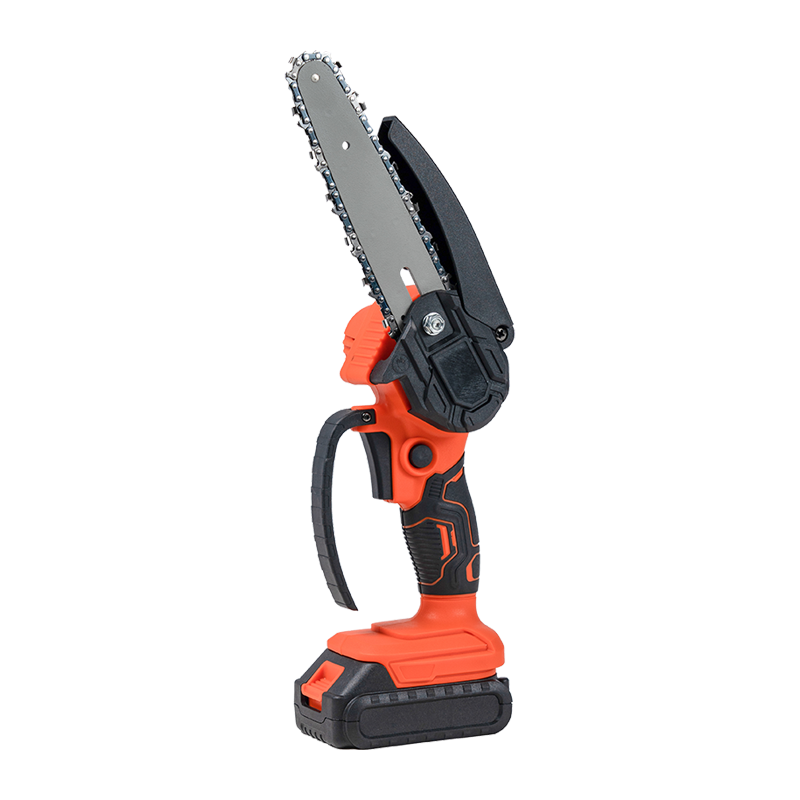
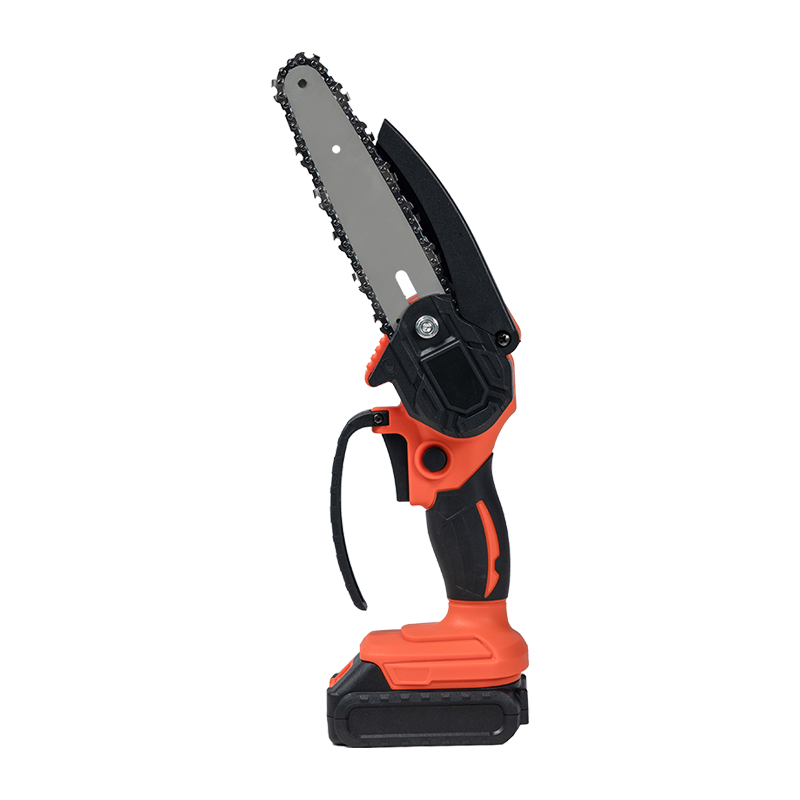
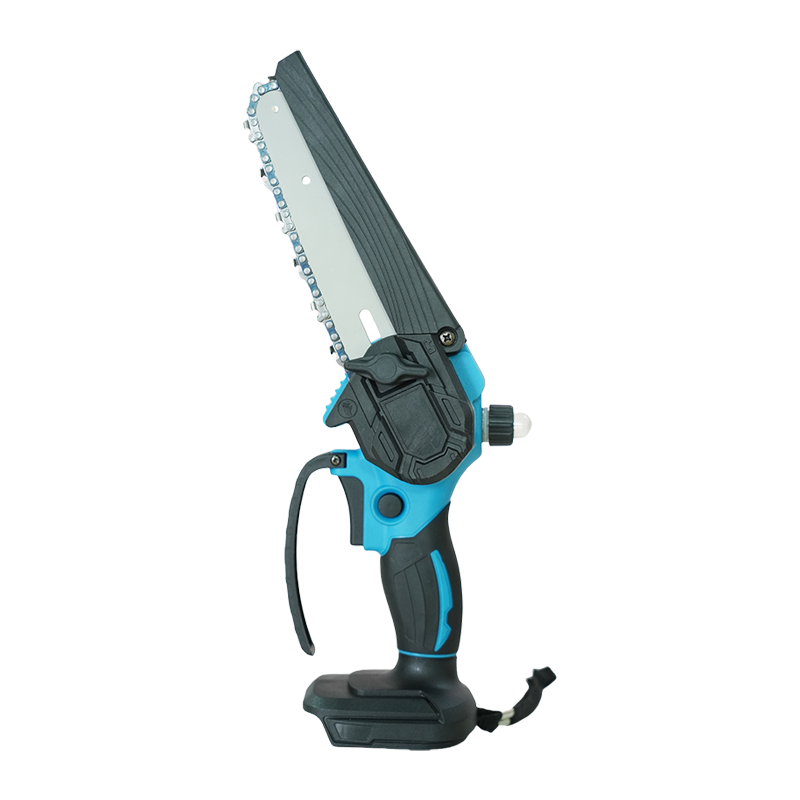
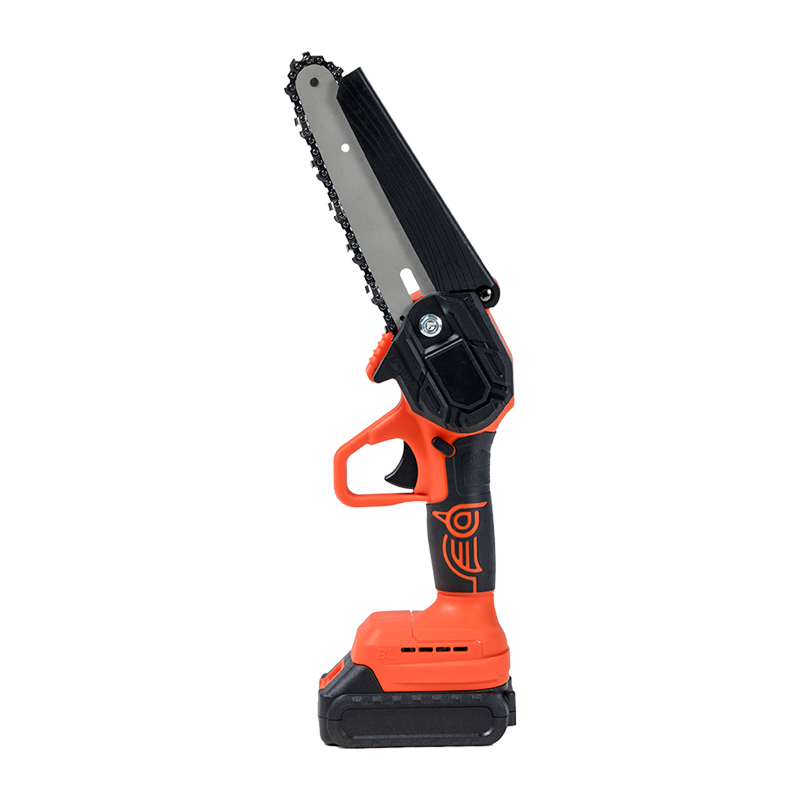
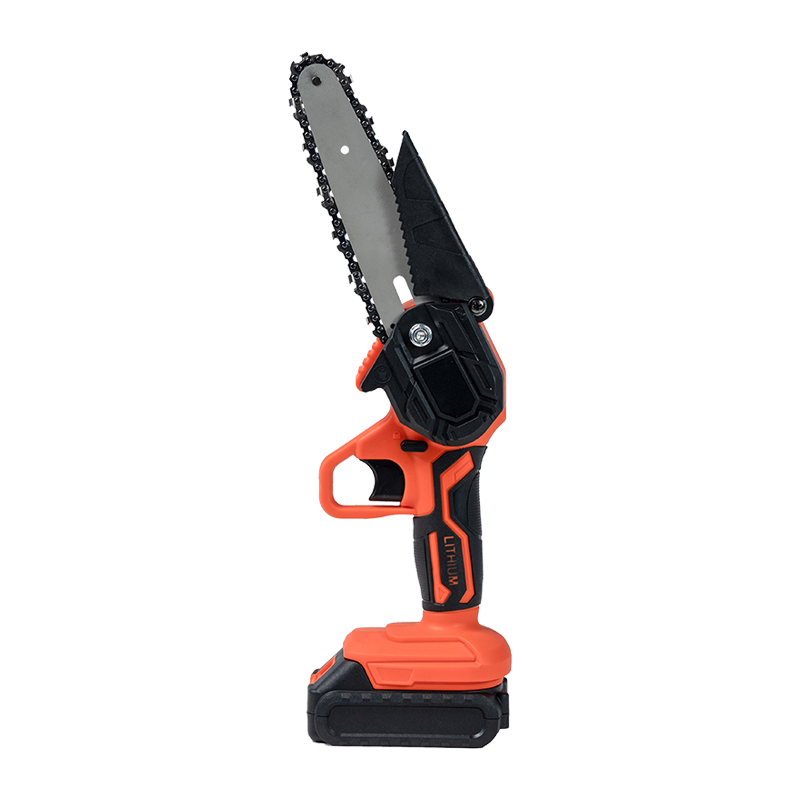
One of the primary reasons why the Mini Lithium Chainsaw stands out in comparison to traditional chainsaws is its impressive portability. For outdoor enthusiasts, adventurers, and even professional landscapers, portability is a key factor when selecting equipment. The Mini Lithium Chainsaw is designed with ease of use and mobility in mind.
Unlike conventional chainsaws, which can be bulky and heavy, often weighing in at 10-20 pounds or more, the Mini Lithium Chainsaw is significantly lighter, usually under 7 pounds. This lightweight construction allows users to carry the tool effortlessly, whether on a hike, camping trip, or as part of a toolkit for fieldwork. The compact design not only makes it easier to handle but also ensures that it takes up minimal space in a backpack, making it ideal for activities where space is limited. For example, when trekking through a dense forest, a hiker can easily store the chainsaw without it becoming a burden.
The reduced size of the tool means that it can be used in confined spaces where larger chainsaws might struggle to operate. When clearing brush or dealing with smaller trees in tight areas, the maneuverability of the Mini Lithium Chainsaw becomes an invaluable asset. The lightweight and compact design also makes it more accessible to those who might struggle with the weight of traditional chainsaws, including younger users, elderly individuals, or people with limited physical strength.
Portability doesn’t just apply to the weight of the tool itself. Many Mini Lithium Chainsaws come with adjustable handles or ergonomic grips that allow for comfortable, prolonged use without causing strain on the user's wrists or arms. This design enhancement ensures that even extended cutting sessions don’t lead to fatigue, making it an ideal tool for various outdoor projects.
No Fuel Required, Eco-Friendly and Quiet
A defining feature of the Mini Lithium Chainsaw is its battery-powered operation, a significant departure from the traditional fuel-powered chainsaws that rely on gasoline or diesel. This shift toward a rechargeable lithium battery system offers several distinct advantages, especially in terms of environmental impact and user convenience.
Eco-Friendly Operation
The absence of gasoline or diesel means that the Mini Lithium Chainsaw operates with minimal environmental impact. Traditional chainsaws often emit carbon fumes and pollutants, contributing to air quality deterioration. With the Mini Lithium Chainsaw, however, users can enjoy all the cutting power of a traditional chainsaw without releasing harmful emissions into the atmosphere. The lithium battery is a cleaner energy source, contributing to a reduction in air pollution, especially in natural and wildlife-rich areas where preserving the environment is paramount.
The reduced reliance on fossil fuels also means that users do not need to deal with potentially harmful fuel spills. Gasoline-powered chainsaws can sometimes leak fuel, which not only leads to waste but can also contaminate the surrounding environment, posing a danger to local flora and fauna. The lithium-powered chainsaw eliminates this risk altogether, offering a cleaner and safer solution for outdoor work.
Noise Reduction
Another significant advantage of the Mini Lithium Chainsaw is the reduced noise level. Gasoline engines are notoriously loud, often generating noise levels upwards of 100 decibels, which can be disruptive in nature reserves, forests, or residential areas. On the other hand, lithium battery-powered chainsaws typically produce far less noise, often operating at a sound level closer to 80 decibels or even lower. This makes them ideal for use in quiet outdoor environments like camping grounds, hiking trails, or places where noise restrictions are in place.
The quieter operation of the Mini Lithium Chainsaw also reduces the likelihood of disturbing wildlife. In areas where animals might be sensitive to loud noises, a quieter tool ensures that the user can work without causing unnecessary distress to local species. This makes it a great option for nature conservationists, forestry workers, or anyone who values environmental harmony while performing tasks like tree trimming or clearing.
Convenience
In addition to being eco-friendly and quieter, the battery-powered nature of the Mini Lithium Chainsaw makes it much more convenient to use. There's no need to constantly monitor fuel levels, store gasoline, or deal with the mess of mixing fuel. Simply charge the battery, and you’re ready to go. This convenience makes the tool ideal for users who might not have easy access to fuel supplies, like those working remotely or in remote locations.
High Performance and Long Battery Life
While the Mini Lithium Chainsaw is compact, its performance should not be underestimated. Powered by advanced lithium-ion batteries, these chainsaws are designed to provide consistent and reliable performance throughout their operation.
Cutting Power
Despite its small size, the Mini Lithium Chainsaw is equipped with a powerful motor that delivers cutting performance comparable to that of larger models. The chain speed and cutting capacity are often optimized to handle a wide range of outdoor tasks, from trimming branches and cutting small trees to clearing overgrown vegetation. The power output is impressive enough to handle these tasks without bogging down or slowing down, even when tackling tougher or denser wood types.
The design of the chainsaw’s motor ensures that there is no loss of torque during use, even when the battery is nearing depletion. This allows for smoother operation, reducing the likelihood of stalling or uneven cutting, a common issue in less powerful models.
Battery Efficiency and Duration
One of the most notable benefits of the Mini Lithium Chainsaw is its long battery life. Lithium-ion batteries, known for their high energy density, provide much longer run times compared to older lead-acid or nickel-cadmium batteries. On a full charge, most mini chainsaws can operate for 30 to 60 minutes of continuous use, depending on the size of the battery and the demands of the cutting job. This long battery life means fewer interruptions for recharging, enabling users to get more done in less time.
Many mini chainsaws also feature quick charging capabilities, allowing the user to recharge the battery in a matter of hours, if not minutes, depending on the model. This quick turnaround is perfect for extended outdoor sessions or projects where waiting for a full recharge would otherwise be inconvenient.
Swappable Batteries
Some models even allow for swappable batteries, giving users the ability to carry spare batteries for virtually unlimited operational time. This feature is especially beneficial for professional users or those who need to ensure they have a continuous power supply during extended work periods in the field.
Low Maintenance
When considering outdoor tools, maintenance is a major factor. Traditional gasoline chainsaws require regular maintenance, including checking oil levels, cleaning spark plugs, replacing air filters, and performing engine diagnostics. This not only adds to the cost of ownership but also requires time and effort, particularly when working in remote locations where access to service or parts may be limited.
The Mini Lithium Chainsaw is designed for ease of use and minimal maintenance. Because there is no gasoline engine involved, there's no need to perform oil changes or deal with the complexity of engine components. The only routine maintenance typically involves checking the chain tension, lubricating the chain, and ensuring that the battery is fully charged. This simplicity makes it an ideal tool for users who need a reliable, low-maintenance solution for cutting tasks, particularly in areas where carrying extra equipment or performing complex repairs isn’t feasible.
The design of the Mini Lithium Chainsaw also minimizes the risk of wear and tear. Many models are built with durable, high-quality materials that resist rust and corrosion, extending the lifespan of the tool. Since there are fewer moving parts and no gas engine to maintain, users can focus on their tasks without worrying about frequent breakdowns or complicated repairs.
2. How to Easily Handle Trees and Branches with the Mini Lithium Chainsaw
Choosing the Right Tool Model
Assessing Your Needs
The first step in successfully handling trees and branches with a Mini Lithium Chainsaw is selecting the right model for the job. Chainsaws, even mini ones, come in various sizes, motor capacities, and design configurations, and each is suited for different tasks.
Small-Sized Chainsaw Models:
For users who plan to do lighter cutting tasks, such as trimming small branches, bushes, or brush in your garden or campsite, a mini chainsaw with a shorter blade (typically 6 to 8 inches in length) will suffice. These tools are designed to handle small to medium-sized growth, providing enough cutting power while remaining lightweight and easy to control. They're also ideal for occasional use in residential backyards, small trees, and shrubs.
Larger Models for Harder Wood:
If your tasks involve more challenging cutting, like felling or trimming larger trees or tackling thicker, denser wood, you might want to consider a larger mini chainsaw. These models usually feature a longer chain (10-12 inches) and a more robust motor to handle tougher materials like dry hardwoods or even fallen logs. The increased motor power allows you to cut through thicker branches or trees without experiencing the tool overheating or straining.
Choosing Between Brushless and Brushed Motors:
In addition to size, the type of motor in the chainsaw also plays a significant role in its performance. Brushless motors are more energy-efficient and last longer compared to brushed motors. Though brushless models might be more expensive, they are worth considering if you plan on using your chainsaw frequently or need extended run times. For occasional users, however, a brushed motor chainsaw will be sufficient.
Additional Features to Consider:
Tool-Free Chain Adjustments: If you expect to do frequent cutting, look for a model with tool-free chain tensioning and adjustments. This feature allows you to tighten or loosen the chain without needing special tools, improving ease of use.
Safety Features: Check for safety mechanisms like automatic chain brakes, safety switches, and anti-kickback features. These will reduce the risk of accidents during operation.
Battery Type and Runtime: Ensure that the battery type suits your needs. A standard lithium-ion battery typically offers long life, but for extended cutting sessions, consider having multiple spare batteries. Also, some chainsaws offer quick-charge capabilities, which can be a crucial feature for busy outdoor workers.
Charging Management
Proper battery management is critical when using a Mini Lithium Chainsaw in the field, as it ensures optimal performance and extends the lifespan of your batteries. Here’s how to handle charging effectively:
Pre-Trip Charging and Battery Health
Before heading out for any outdoor activity, make it a point to fully charge your Mini Lithium Chainsaw’s battery. This ensures that your tool is ready to tackle any cutting tasks right away without unexpected interruptions. Charging the battery fully before use will also help prevent premature battery drain during use, as partially charged batteries tend to perform less efficiently and may decrease your operational time.
Carrying Spare Batteries or Power Banks
If you're planning on spending extended time outdoors—whether clearing trails, working on a large project, or camping—it's wise to bring spare batteries with you. Carrying an extra fully charged battery means you won't be caught off guard with a dead battery halfway through your task. Some high-performance models even come with an external battery pack or allow for quick battery swaps during operation, reducing downtime.
Another option is to carry a portable power bank or solar charger, especially if you're working in remote locations. A solar charger, while slower than regular outlets, can help recharge your batteries when you’re deep in the woods or far from civilization. It’s an essential tool for any long-term project or extended camping trips.
Battery Maintenance Tips
Avoid Overcharging: While modern lithium-ion batteries are designed to prevent overcharging, leaving them plugged in for prolonged periods can still affect their longevity. Once charged, it’s best to unplug the battery to avoid unnecessary wear.
Store Properly: When not in use, store your Mini Lithium Chainsaw’s batteries in a cool, dry place. Extreme temperatures (especially heat) can shorten battery life. Ideally, store the battery at about 40-60% charge if you're not going to use it for a while.
Check for Wear: Over time, lithium-ion batteries lose their capacity to hold a charge. If you notice that your battery doesn’t last as long as it used to, it might be time to replace it. Make sure to follow manufacturer recommendations on battery replacement intervals.
Choosing the Right Cutting Method
While the Mini Lithium Chainsaw is incredibly versatile, using it with the correct technique will make your cutting tasks smoother and more efficient. Here are the methods to follow when cutting trees and branches:
Maintaining the Correct Cutting Angle
When using a chainsaw, the angle at which you hold the tool is crucial for smooth, efficient cuts. For most cutting tasks, hold the chainsaw at a 45° angle to the wood surface. This angle reduces friction, allowing the chain to glide smoothly through the wood and minimizing the risk of the chain binding or stalling. Cutting with a straight 90° angle will cause more resistance, which can drain the battery faster and cause strain on the motor.
Cutting Technique for Different Wood Types
For Smaller Branches:
Hold the saw steady and place the chain where you want to cut.
Make small, shallow cuts to minimize pressure on the saw, especially if the branches are softwood or have a thinner diameter.
For Larger Branches and Trees:
Cut in Sections: For large trees, it’s crucial to cut in stages. Don’t try to make one deep cut through a large branch or tree trunk in one go, as this can cause the chain to bind or overheat. Instead, make a series of shallow cuts, gradually deepening them as you work through the wood.
Notch Cutting: For felling larger trees, use a notch cut on the side of the tree facing the direction you want it to fall. The notch should be made with two cuts: a horizontal cut at around waist height and an angled cut above it to form a notch that will guide the tree’s fall. After this, cut horizontally from the opposite side to complete the felling cut.
Cutting with Precision
When working with branches or logs that need to be cut to precise lengths, it’s best to measure and mark the spots before cutting. Use a chalk line, tape measure, or simple markings to make your cuts more accurate. This will not only make your work look professional but also ensure the job is done right the first time.
Avoid Overloading the Chainsaw
Though the Mini Lithium Chainsaw provides impressive power for its size, it’s important to use the tool within its capacity to avoid overloading. Overcutting or forcing the saw through thick, hard wood without giving it time to work can lead to overheating, rapid battery drain, or even permanent damage to the motor.
Take Breaks
When cutting larger or harder wood, take regular breaks to let the chainsaw cool down. Overheating is one of the most common causes of malfunction in chainsaws. A few minutes of rest for the tool between cuts can prolong its life and keep it functioning optimally.
Know Your Limits
If you're consistently encountering resistance during cutting, stop and assess the situation. If the wood is too thick for the tool, or if the saw is overheating, it might be better to switch to a larger chainsaw or cut the wood in smaller sections.
Protective Measures for Chainsaw Safety
Protective Glasses or Face Shield
Importance of Eye Protection
Chainsaws, even mini models, can throw debris at high speeds, including wood splinters, sawdust, or bark. These particles, though small, can be hazardous if they come into contact with your eyes, leading to painful injuries or long-term damage. The high-speed action of the chainsaw blade can also cause microscopic particles to shoot off with great force, making it critical to protect your eyes during operation.
Key Risks to Eyes:
Flying Debris: Chainsaw blades are capable of flinging small pieces of wood or debris into the air, and these projectiles can travel quite a distance. Even tiny particles like sawdust can irritate the eyes.
Sawdust and Wood Splinters: Long-term exposure to wood dust can irritate the eyes, while wood splinters may cause scratches or more serious injuries.
Choosing the Right Eyewear
When selecting protective eyewear, it’s important to pick a pair that fits snugly and provides clear visibility. Standard safety glasses with shatterproof lenses offer basic protection, but for extra comfort and complete protection, consider a face shield or goggles that cover the entire face. Here are a few key considerations:
Anti-Fog Lenses: Look for safety glasses or goggles with anti-fog coatings. This is particularly important if you’re working in humid or rainy conditions, where condensation might impair vision.
Wraparound Design: Safety glasses with a wraparound design provide better protection as they cover more of the face and prevent debris from reaching the sides of your eyes.
Clear or Tinted Lenses: Opt for clear lenses for maximum visibility when working in bright daylight. Tinted lenses can be useful when operating in direct sunlight, but make sure they don’t compromise your ability to see small details.
Earmuffs or Earplugs
Why Noise Protection Is Essential
While Mini Lithium Chainsaws are quieter than their gasoline-powered counterparts, they still produce a significant amount of noise. The sound levels can range between 80 and 100 decibels, which, when experienced over prolonged periods, can lead to hearing loss or other ear-related issues. Exposure to noise levels above 85 decibels for extended periods is known to damage the hair cells in the inner ear, causing permanent hearing loss.
Key Risks to Hearing:
Prolonged Noise Exposure: Even if the chainsaw seems quieter, long hours of cutting can accumulate noise exposure, leading to hearing damage over time. Chainsaws are often used in outdoor, open environments, but sustained exposure to high noise levels can cause permanent harm.
Lack of Immediate Warning: The damage caused by loud noise can be gradual and not immediately noticeable, so you may not realize the risk to your hearing until it’s too late.
Selecting the Right Hearing Protection
There are two main types of hearing protection: earmuffs and earplugs. Both are effective, but the best choice depends on comfort, work environment, and personal preference.
Earmuffs: These provide a more secure and comfortable fit, especially for extended use. They fully cover the ears, providing both noise cancellation and comfort. Choose earmuffs that are rated for chainsaw use, as these will offer superior noise reduction, typically rated to reduce decibels by 20 to 30 dB.
Earplugs: For a more lightweight option, earplugs are an excellent choice. They can fit snugly inside the ear canal and are less bulky than earmuffs. For chainsaw work, it’s important to choose foam or silicone earplugs that have a high noise reduction rating (NRR). These can be particularly useful in environments where earmuffs might be too hot or uncomfortable.
It’s important to choose ear protection that provides adequate noise reduction for your specific work environment. Always aim for an NRR of at least 25 dB for effective hearing protection during chainsaw use.
Cut-Resistant Gloves
The Importance of Hand Protection
Chainsaw blades operate at high speeds and can be unpredictable, especially when cutting thick or dense materials. Even the best-controlled tools can occasionally slip, leading to the risk of accidental contact with the moving chain. In these situations, protective gloves are essential for minimizing injury and maintaining grip.
Key Risks to Hands:
Contact with Moving Chain: The most obvious risk when operating a chainsaw is accidental contact with the chain. Even a small mistake can lead to severe cuts or puncture wounds.
Vibration Damage: Extended chainsaw use can lead to hand-arm vibration syndrome (HAVS), a condition caused by the continuous vibrations of the tool. This can cause numbness, reduced dexterity, and even long-term nerve damage.
Slippery Handles: Chainsaw handles can become slippery from oil, sawdust, or moisture, making it harder to maintain a steady grip. Gloves provide extra friction, improving your control over the tool.
Choosing the Right Gloves
Chainsaw-specific gloves are made from durable materials that are designed to offer protection while maintaining dexterity. When selecting gloves, consider the following features:
Cut-Resistant Materials: The best gloves for chainsaw use are made from cut-resistant materials like Kevlar or Dyneema. These fibers are strong enough to resist cutting from the chainsaw’s teeth, offering a significant safety advantage.
Padded Palms and Fingers: Chainsaw gloves should include padded sections around the palms and fingers to absorb the vibrations generated by the tool, reducing the risk of vibration-related injuries.
Breathable, Comfortable Fit: It’s crucial that the gloves fit snugly but comfortably. Gloves that are too tight can restrict movement, while gloves that are too loose can slip off, reducing their protective effectiveness.
Sturdy Footwear and Cut-Resistant Pants
Why Protect Your Feet and Legs?
Chainsaw operators are at risk of injury not just from the moving chain but also from falling trees, branches, and debris. Protecting your feet and legs from these risks is just as important as safeguarding your hands and eyes.
Key Risks to Feet and Legs:
Falling Debris: When cutting through trees or branches, pieces of wood or branches can fall unpredictably. Sturdy, protective footwear is essential for preventing injuries from falling objects.
Kickbacks and Chain Contact: A sudden kickback or an accidental slip of the saw can cause the blade to strike your leg or foot. Chainsaw accidents involving feet or legs often lead to severe injuries, especially if the person isn’t wearing appropriate protective gear.
Selecting the Right Footwear
Steel-Toe Boots: The best protection for your feet is a pair of steel-toe boots designed for heavy-duty work. These boots provide a solid, protective barrier against falling debris, sharp objects, and accidental kicks from the chainsaw. They should be made from durable leather or other strong materials that can withstand the impact of a heavy falling object.
Non-Slip Soles: Chainsaw work often takes place in uneven or slippery terrain. Non-slip soles are essential for maintaining stability and preventing falls, especially when working on wet or muddy surfaces.
Chainsaw Safety Boots: Some brands offer specialized chainsaw safety boots with cut-resistant linings built into the lower leg and ankle areas. These boots are specifically designed to provide protection from chainsaw blades in the event of an accident.
Protective Pants
Chainsaw Chaps: In addition to sturdy footwear, chainsaw chaps or cut-resistant pants are vital for protecting your legs. These pants are made from layers of strong, abrasion-resistant materials like Kevlar or nylon and are designed to stop a chainsaw chain if it comes into contact with the fabric.
Design and Fit: Chainsaw pants should fit comfortably but not too loose, as loose material can catch on branches or tools during operation. The pants should cover your entire leg, including the upper thigh area, where they can provide maximum protection.
3. Mini Lithium Chainsaw Applications in Different Outdoor Scenarios
Camping Areas: Clearing, Trimming, and Gathering Firewood
Essential Tool for Campfire Preparation
One of the most common tasks when camping is preparing firewood. Often, campers need to clear small dead branches and fallen twigs that are scattered around the campsite to ensure that they have enough firewood for the night. While using a traditional axe or handsaw can be time-consuming and physically demanding, a Mini Lithium Chainsaw can drastically reduce the effort required. With its lightweight design, this chainsaw can easily cut through small to medium-sized branches and logs, allowing you to gather firewood quickly and efficiently.
Campfire safety is a top priority. Clearing away dry or dead wood that is close to the campsite can prevent accidental fires from spreading. A Mini Lithium Chainsaw allows you to easily and safely trim branches that might otherwise pose a risk to the campfire or campsite area. Its quiet operation also minimizes disturbance to other campers, keeping the peace in shared outdoor spaces.
Efficient Campsite Cleanup
Campsites often accumulate debris such as dead branches, fallen leaves, and brush. While cleaning up might seem like a tedious chore, the Mini Lithium Chainsaw makes it much easier to clear the area of any obstacles or fallen trees. Whether you’re trimming overgrown shrubs, cutting down stray branches, or removing tree stumps, the chainsaw’s portability makes it a valuable tool for campsite maintenance.
When packing for a camping trip, the compact size of the Mini Lithium Chainsaw ensures it fits effortlessly in your gear. Its lightweight build means it won’t add unnecessary weight to your backpack or vehicle, and the absence of fuel means there’s no risk of fuel leaks or odor in your gear.
Eco-Friendly and Quiet Operation
Most camping areas are situated in tranquil natural environments, and the sound of a chainsaw might be disruptive to the peaceful atmosphere. Traditional gasoline-powered chainsaws can be noisy and polluting, but the Mini Lithium Chainsaw operates quietly, making it an ideal tool for use in such settings. Its rechargeable lithium battery provides long-lasting power without the environmental impact of fuel, ensuring that you can work efficiently without disturbing the surrounding wildlife or fellow campers.
Hiking or Trekking: Navigating Trails and Obstacles
Lightweight and Portable for Hikers
When trekking through dense forests or jungles, hikers often encounter obstacles such as fallen branches or overgrown vegetation that can block the trail. The Mini Lithium Chainsaw is a highly portable solution for such situations. Its compact size means it can easily be carried in a backpack without adding unnecessary bulk or weight. In an emergency or simply to improve the trail’s accessibility, a few quick cuts with the Mini Lithium Chainsaw can clear away obstacles, ensuring that the trail remains open for the group.
Quick Response to Fallen Trees and Blocked Paths
In some extreme cases, especially during heavy storms or high winds, hikers might find large trees blocking the path. In these situations, it’s crucial to have a tool that can quickly clear the way, particularly when hiking in remote areas where no help is available. The Mini Lithium Chainsaw’s ability to cut through a variety of materials, including smaller trees and branches, makes it an excellent choice for such tasks. Within minutes, it can clear enough of the debris to allow hikers to continue their journey, reducing the potential for delays or even hazardous situations.
Eco-Friendly Design for Minimal Environmental Impact
Hiking in the wilderness requires a keen awareness of environmental impact. While some tools may cause disruptions to the ecosystem, the Mini Lithium Chainsaw is a much more environmentally friendly option. Its electric-powered lithium battery emits no harmful fumes, and it produces minimal noise. By using a chainsaw rather than cutting by hand, you’re able to minimize environmental disruption by making precise cuts that don’t harm surrounding vegetation. This feature makes the Mini Lithium Chainsaw a valuable addition to any hiker’s toolkit, as it minimizes harm to the natural surroundings while effectively performing its intended function.
Emergency Rescue: Clearing Obstacles Quickly and Effectively
A Reliable Tool for Outdoor Emergency Situations
Unexpected situations can arise while spending time outdoors, particularly when navigating forests, mountains, or remote areas. Natural disasters, such as fallen trees during storms, can block trails, paths, or even cause hazards to individuals in the area. In an emergency, being able to clear a path quickly is critical to ensure that rescuers and those in need of help can evacuate or reach safety.
The Mini Lithium Chainsaw is designed to be a reliable, easy-to-use tool for such situations. With its lightweight and portable design, it can easily be stored in an emergency kit or carried by rescue personnel. Its powerful motor allows it to cut through fallen trees and large branches in a matter of minutes, which can be the difference between quick evacuation or getting stuck in a dangerous situation.
Clearing Roadblocks in Disaster Relief Operations
During a natural disaster such as a flood, hurricane, or tornado, roads and pathways may become obstructed with fallen trees and debris. In these critical moments, time is of the essence. A Mini Lithium Chainsaw can help clear the way for emergency vehicles, rescue teams, and individuals trying to reach safety. Because it is portable and easy to use, it can be employed in a wide range of emergency scenarios where larger chainsaws or heavy equipment may be impractical.
In addition to clearing paths for evacuation, the Mini Lithium Chainsaw can be used to help locate and rescue trapped individuals by cutting away branches and debris. Its ability to make fast, clean cuts in confined spaces ensures that rescue operations can proceed quickly and effectively.
Safe and Efficient Operation in Urgent Scenarios
The compact size of the Mini Lithium Chainsaw makes it safer to operate in emergency situations where quick thinking and mobility are crucial. Larger, heavier chainsaws may be harder to maneuver in tight spaces or in situations where swift action is needed. In contrast, the Mini Lithium Chainsaw’s ergonomic design ensures that it can be used in various scenarios without causing excessive fatigue or compromising the user’s ability to react quickly.
Gardening and Pruning: Enhancing Your Garden's Aesthetic
Ideal for Precision Pruning and Tree Care
For those who enjoy spending time in their gardens or maintaining their property’s landscaping, the Mini Lithium Chainsaw is an invaluable tool for pruning and tree care. Its compact size and efficient design make it easy to trim small to medium-sized branches on fruit trees, ornamental trees, and shrubs. Traditional pruning tools, such as shears or loppers, can be tiring and time-consuming, especially when working with larger branches. The Mini Lithium Chainsaw, however, provides a much faster and easier solution.
For example, trimming overgrown branches on fruit trees can help promote healthy growth and increase fruit production. The chainsaw’s precision cutting allows gardeners to make clean cuts without damaging the tree. Additionally, when working with shrubs or small bushes, the Mini Lithium Chainsaw can be used to trim and shape the plants, ensuring they maintain a tidy and aesthetically pleasing appearance.
Faster and More Efficient Landscaping Tasks
If you’re dealing with dense overgrowth or need to clear larger patches of brush, the Mini Lithium Chainsaw excels in providing the necessary cutting power while being more compact than traditional equipment like a full-sized chainsaw or hedge trimmer. Its ability to cut through tough branches and shrubs allows gardeners to complete larger landscaping projects faster and with less effort.
The quiet operation of the Mini Lithium Chainsaw makes it ideal for residential areas. While larger gas-powered tools can be noisy and disruptive, the quiet hum of the lithium-powered chainsaw ensures that you can work efficiently without disturbing neighbors. Its eco-friendly battery power also eliminates concerns about fumes, ensuring that you can work in your garden without harming the environment.
Safety and Ease of Use for Home Gardeners
The lightweight design of the Mini Lithium Chainsaw makes it ideal for novice gardeners and homeowners who may be intimidated by heavier, more complex chainsaws. Its smaller size makes it easier to maneuver and control, ensuring that you can complete tasks safely without risk of injury. Whether you're removing dead branches, pruning back overgrown plants, or cutting back vines, the Mini Lithium Chainsaw’s easy-to-use design ensures that even those with limited experience can safely operate it.