English
 русский
 Español
Mini Lithium Chainsaws vs. Larger Cordless Chainsaws:
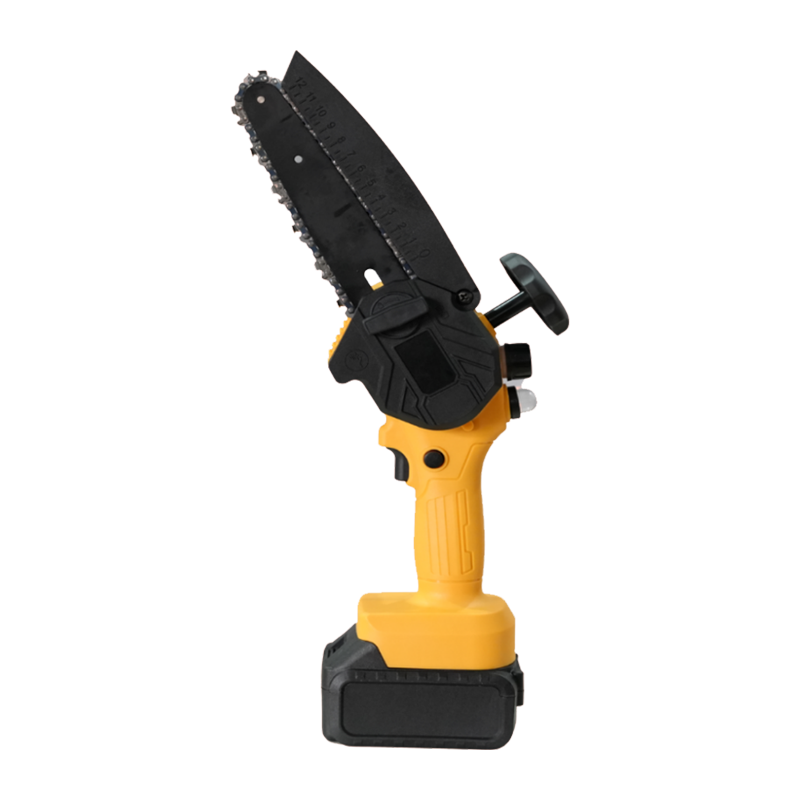
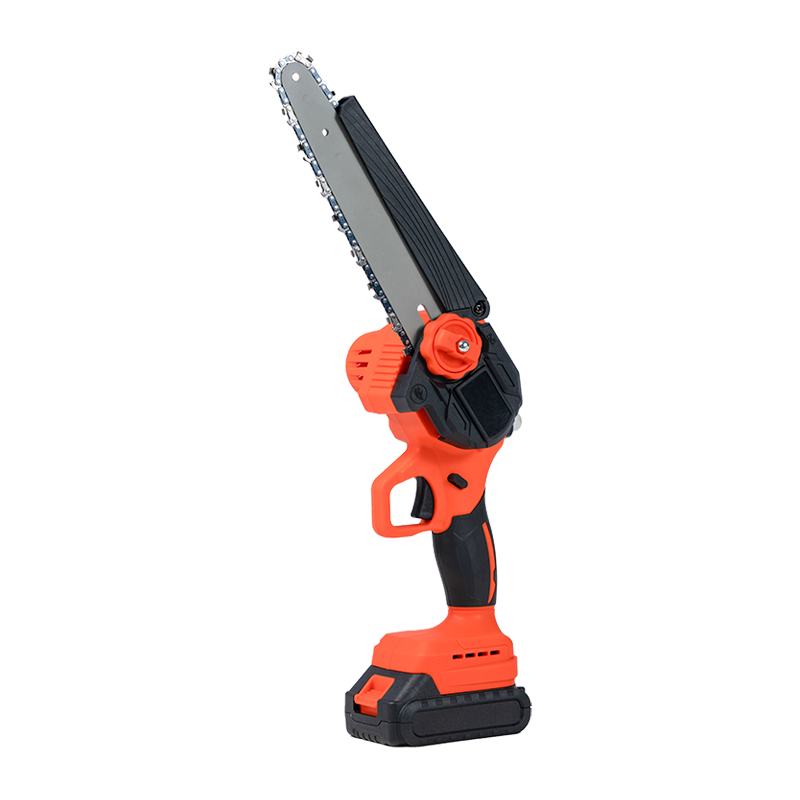
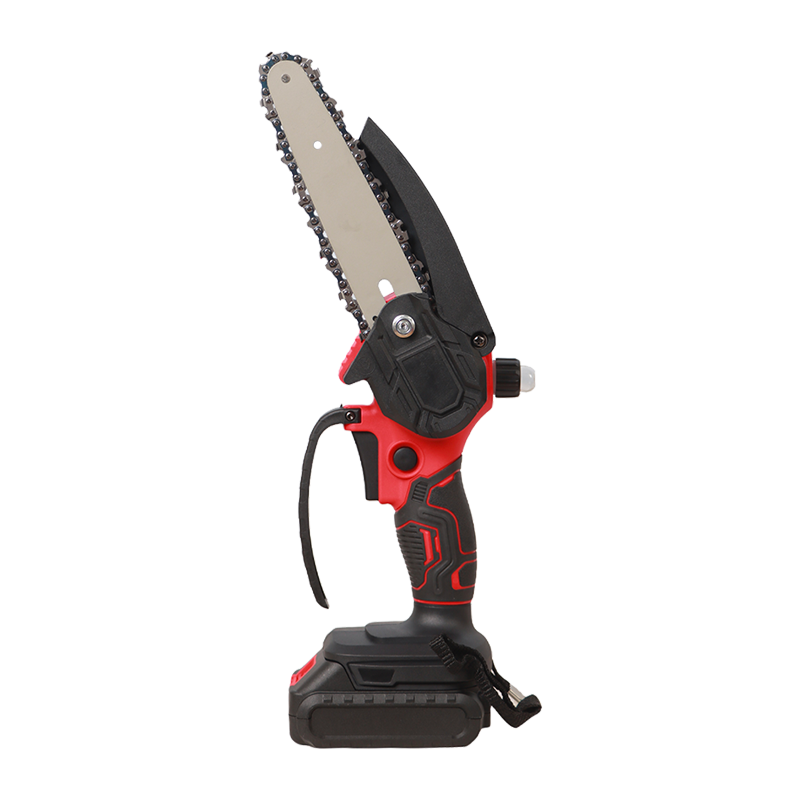
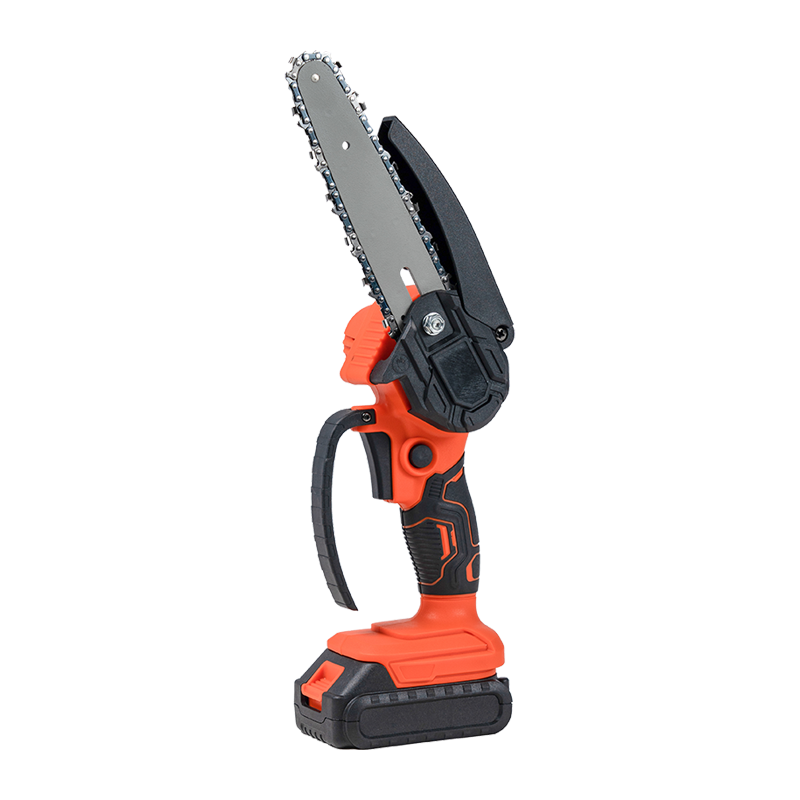
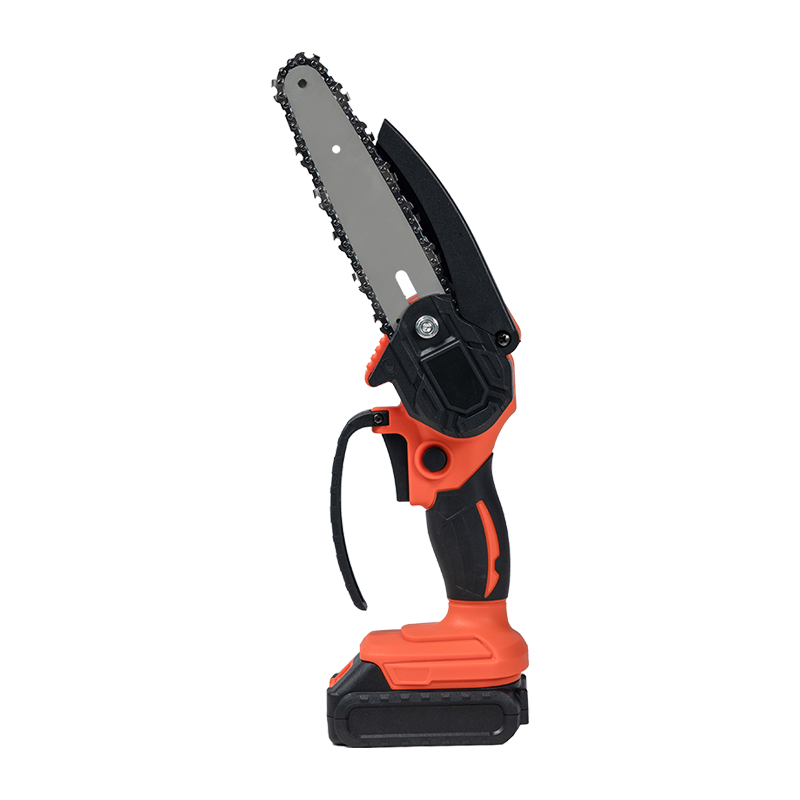
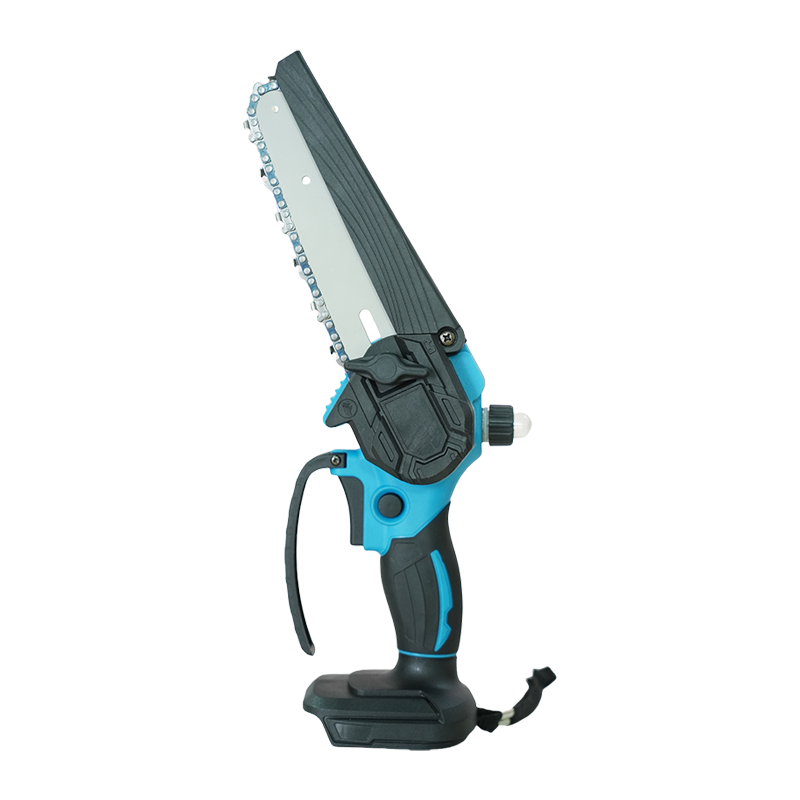
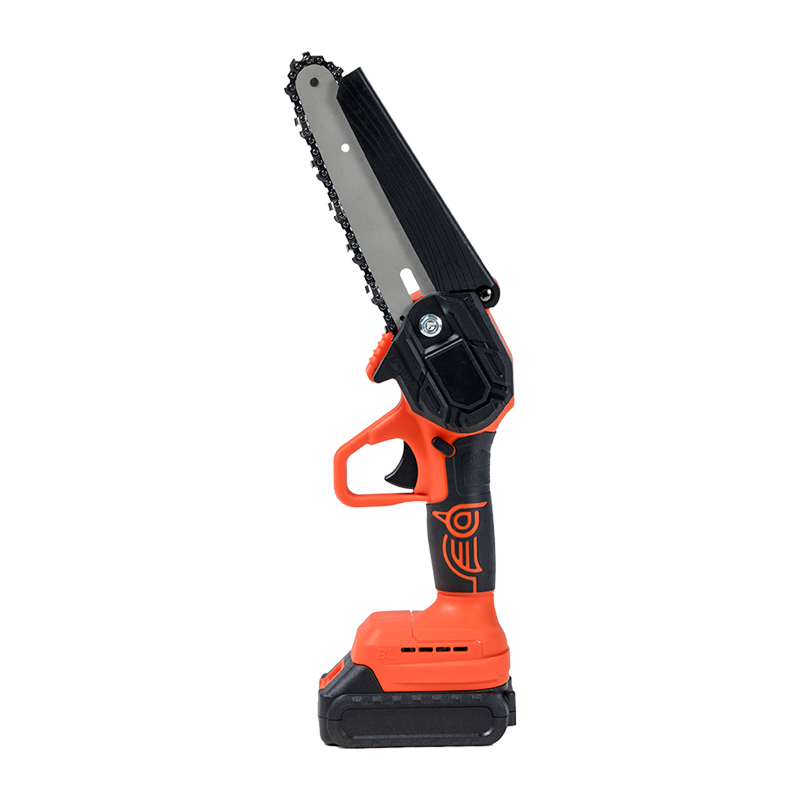
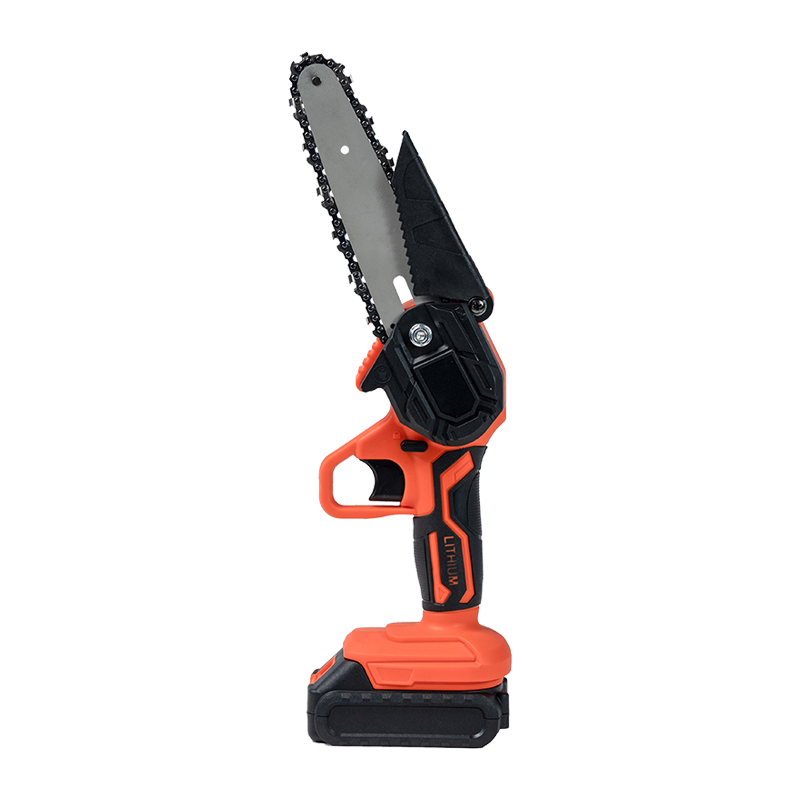
Mini Lithium Chainsaws are smaller and more compact versions of standard cordless chainsaws. While their cutting speed is generally adequate for light tasks, it tends to be slower than larger cordless chainsaws due to the difference in battery voltage and motor size. Standard cordless chainsaws often use higher-voltage batteries, such as 40V or 60V, providing more power and higher cutting speed. In contrast, Mini Lithium Chainsaws usually come with smaller batteries, such as 20V or even 18V. This difference means that larger cordless chainsaws can handle thicker, denser wood more quickly, whereas a Mini Lithium Chainsaw is designed for lighter, more precise cuts, such as trimming small branches or cutting small logs. Because of their smaller battery size, Mini Lithium Chainsaws tend to have lower torque, which directly affects cutting speed when compared to larger cordless models that can provide faster and more consistent cuts.
Mini Lithium Chainsaws vs. Gas-Powered Chainsaws:
Gas-powered chainsaws are designed for heavy-duty work and are generally faster in cutting speed compared to Mini Lithium Chainsaws. This is because gas engines provide continuous power and can maintain high performance for longer periods. Gas-powered chainsaws can easily cut through thick logs, hardwood, and dense materials, providing faster cutting speeds due to their powerful engines. In contrast, Mini Lithium Chainsaws, powered by rechargeable batteries, are typically meant for light to medium tasks, like pruning and trimming. These chainsaws may not be able to maintain the same level of cutting speed over extended periods, especially when cutting through tougher materials like hardwood. The cutting speed of a Mini Lithium Chainsaw can be slower than a gas-powered chainsaw because gas engines do not have the same limitations in terms of battery depletion, which can reduce the cutting speed of battery-powered models when their charge begins to run low.
Battery Power and Its Impact on Cutting Speed:
The battery power in a Mini Lithium Chainsaw plays a critical role in determining the cutting speed. Mini Lithium Chainsaws typically use smaller batteries, such as 20V or 18V lithium-ion batteries. These batteries provide enough power for light and medium-duty tasks but are not designed for sustained high-speed cutting. The lower voltage translates to less torque, meaning the chainsaw will be slower in cutting through dense or thick wood compared to a chainsaw with a higher voltage battery, like 40V or 60V models. Higher voltage batteries deliver more power, enabling the chainsaw to cut through thicker materials at a faster speed. Additionally, battery-powered chainsaws can experience a drop in cutting speed as the battery drains, with the motor slowing down towards the end of the charge, which can be noticeable compared to gas-powered models that maintain consistent performance.
Motor Type and Its Effect on Speed:
Mini Lithium Chainsaws are often equipped with brushless motors, which are more efficient, offer better performance, and tend to last longer than traditional brushed motors. The efficiency of a brushless motor can improve the cutting speed, as it reduces friction and energy loss, allowing the chainsaw to perform better without excessive heat buildup. While the brushless motor can make a Mini Lithium Chainsaw more powerful than older brushed versions, it still may not match the speed of a gas-powered chainsaw with a high-performance engine. However, for light tasks like pruning or small tree trimming, the brushless motor in a Mini Lithium Chainsaw can provide a smooth, steady cutting speed, allowing for precision and ease of use. On the other hand, gas-powered models use combustion engines, which, although powerful, require more maintenance and fuel, whereas brushless motors in lithium-powered chainsaws require minimal upkeep and are more energy-efficient.
Bar Length and Chain Type:
The cutting speed of any chainsaw is heavily influenced by the size of its guide bar and the type of chain it uses. Mini Lithium Chainsaws generally come with smaller bars (typically ranging from 6 to 12 inches), which are ideal for light-duty tasks like cutting small branches, shrubs, and tree limbs. Smaller bars, while easier to maneuver, can also limit the depth of cuts, making the cutting process slower when attempting to slice through larger pieces of wood in a single pass. Longer bars and chains found on larger cordless chainsaws or gas-powered models allow for deeper cuts with each stroke, resulting in faster cutting speeds. The type of chain, whether it’s a low-kickback chain or a more aggressive chain, can also affect the speed. Mini Lithium Chainsaws may use a more refined chain designed for smooth cutting, but this can mean slower speeds when compared to the more aggressive chains found on gas-powered chainsaws, which are built for high-speed cuts in dense materials.
Practical Use and Cutting Speed:
In terms of practical use, the cutting speed of a Mini Lithium Chainsaw is generally fast enough for most light to medium-duty jobs. When used for tasks such as pruning trees, trimming branches, or cutting small logs, the cutting speed will likely meet the user’s expectations, as these activities do not require high cutting speeds. Mini Lithium Chainsaws are designed to perform well in precise cutting scenarios, where control is more important than raw speed. However, for tougher tasks, such as felling large trees or cutting through thicker logs, users will notice that the cutting speed of a Mini Lithium Chainsaw is slower compared to a gas-powered chainsaw, which can cut through such materials much more quickly and efficiently. The Mini Lithium Chainsaw is optimized for light-duty use, meaning it works best when used within its capacity. When used for tasks that exceed its design parameters, the cutting speed can be slower, and the motor may struggle to maintain performance.