English
 русский
 Español
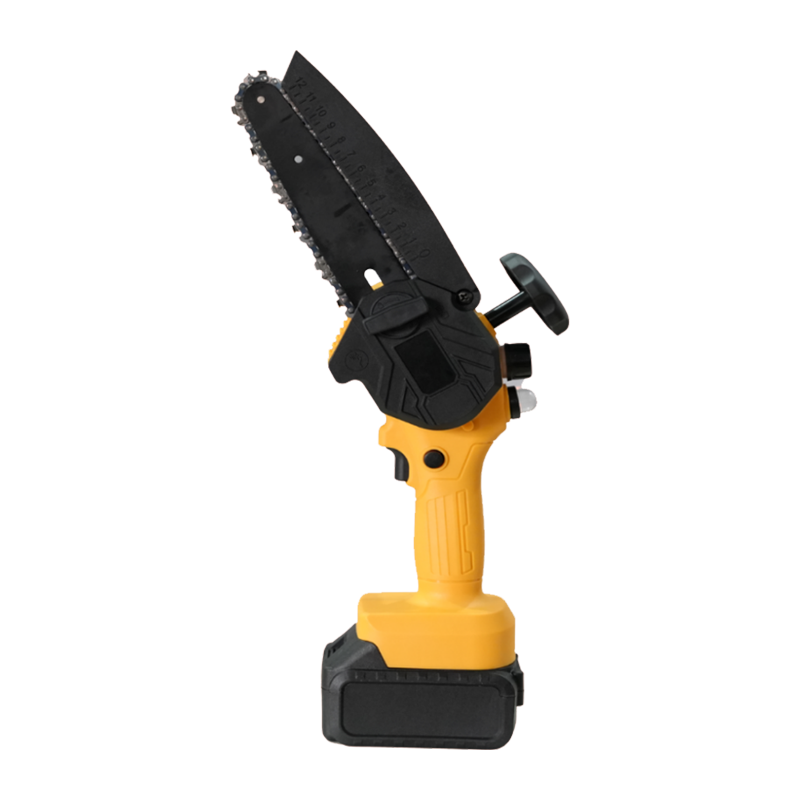
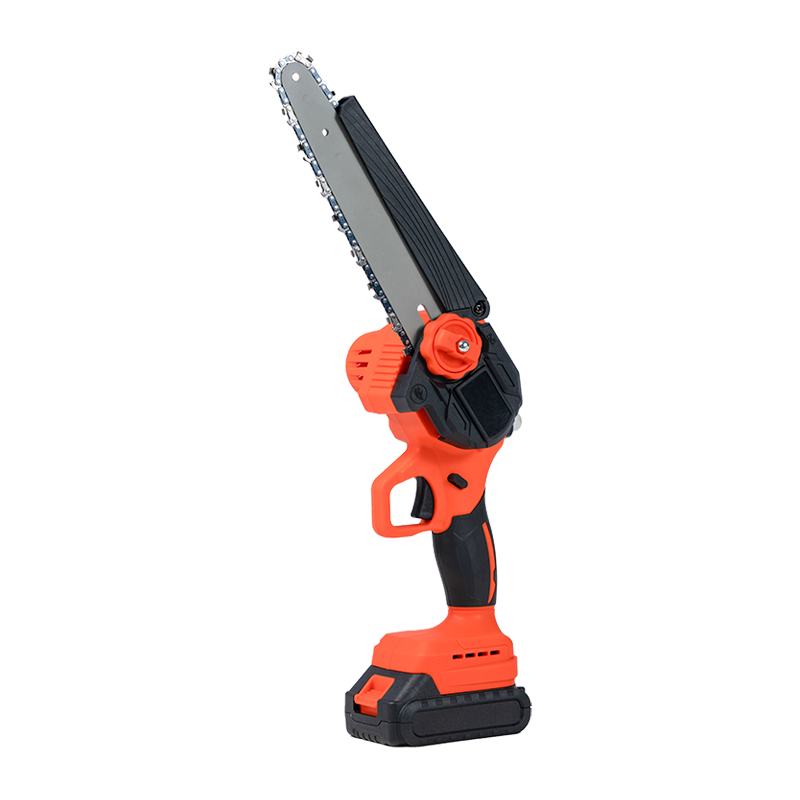
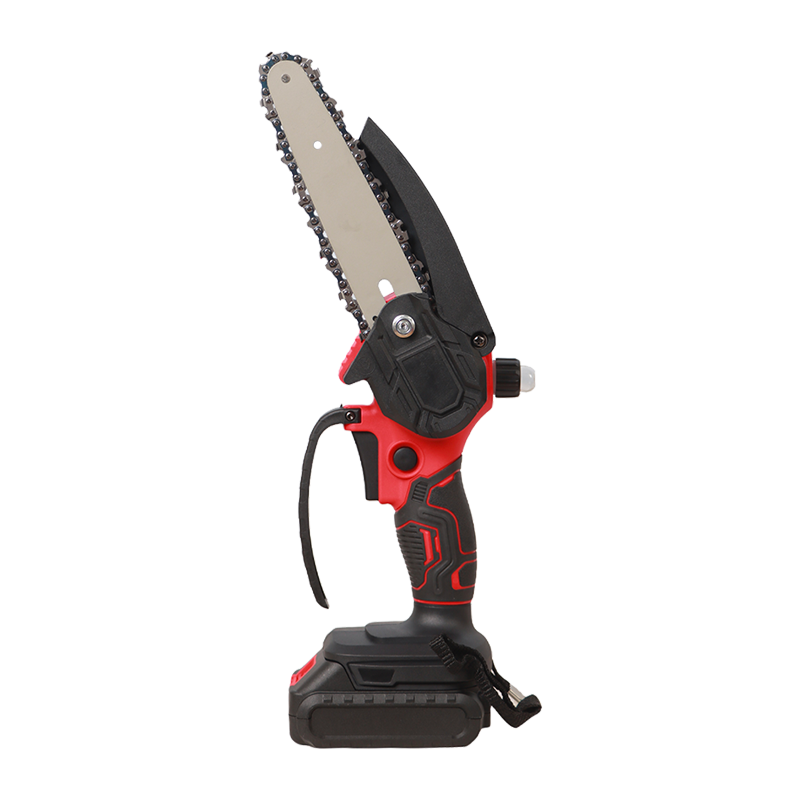
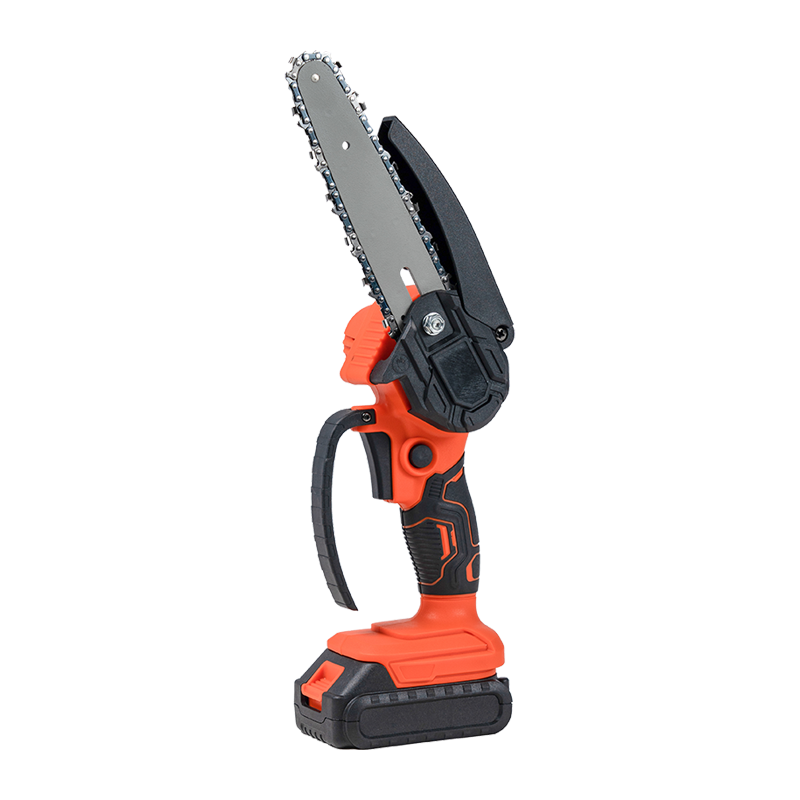
The handle shape and grip are essential for ensuring that the tool fits comfortably in the user’s hands, which is especially important for maintaining control during prolonged use. The ergonomically designed handles are typically contoured to the natural shape of the hand, reducing the effort needed to hold the shears tightly. This makes it easier to work with greater precision, particularly when making cuts in small, hard-to-reach spaces such as the interior of dense shrubs or around delicate plants. The handles also often feature soft-grip materials, such as rubber or cushioned foam, which enhance comfort and prevent slippage, even under wet or sweaty conditions. A non-slip grip ensures that the user can maintain a stable hold on the tool, allowing for smooth and accurate cuts without fear of losing control.
The well-balanced pruning shear is key to comfort and performance. The weight distribution of the tool is critical, especially when working for extended periods in awkward positions. Gardening Lithium Pruning Shears are often designed with a lighter, more balanced structure, ensuring that the tool is not front-heavy or cumbersome. This balanced design helps to reduce strain on the wrist, arm, and hand, as the weight of the tool is evenly spread out. When the weight is distributed properly, users can work in tighter spaces, holding the shears in a steady position without having to overexert themselves. This balance also facilitates smoother, more controlled cutting movements since there is less fatigue and muscle strain from improper weight distribution. As a result, users are more likely to make precise cuts, even in difficult-to-reach spots.
The adjustable or pivoting cutting heads are a standout feature of ergonomic pruning shears, particularly for precision work in confined spaces. These shears allow users to adjust the angle of the blades, which is invaluable when working in areas that require flexibility—for instance, when trimming branches deep inside bushes or trees, or when dealing with stems at low or elevated angles. This design flexibility means that the user can approach a cut from the optimal position, reducing awkward wrist and arm movements that could otherwise lead to imprecise cuts. The ability to adjust the angle also helps to navigate the tool around obstacles, such as thicker branches or dense foliage, enhancing both accuracy and maneuverability. This feature is essential for tight spaces where traditional pruning tools might be less effective.
When making cuts, particularly in tight spaces or for extended periods, users often need to hold the tool at non-natural angles, which can lead to fatigue or discomfort. Ergonomic handles often include features like anatomical contours and angled grips that ensure the wrist remains in a neutral position during use. By preventing the wrist from twisting or bending excessively, these handles help alleviate strain, allowing users to work longer with less fatigue. When pruning in hard-to-reach areas, this design minimizes discomfort and enhances the ability to make precise cuts without the risk of hand or wrist injury. Overall, the design improves user comfort and prevents repetitive stress injuries, which are common with prolonged use of less ergonomic tools.
The trigger mechanism in Gardening Lithium Pruning Shears is engineered to offer a smooth, low-effort squeeze that requires minimal force to operate. A light, responsive trigger action ensures that the shears can be operated with just one hand if necessary, while maintaining precision and control. The ergonomically designed trigger reduces the effort required to close the blades, helping to prevent hand fatigue and maintain consistent cutting pressure. In situations where the shears must be held in unusual positions, the light trigger mechanism allows users to focus on the cut without struggling to operate the tool, thus improving both precision and efficiency.