English
 русский
 Español
When it comes to shaping dense shrubs, the mini chainsaw and the cordless hedge trimmer serve fundamentally different purposes — and confusing the two leads to poor results and unnecessary frustration. The short answer: a cordless hedge trimmer wins on surface shaping and speed for light to medium foliage, while a mini chainsaw excels at cutting through thick, woody stems and branches that a hedge trimmer simply cannot handle. Choosing the right tool depends on shrub density, branch diameter, and the finish quality you need.
Understanding What Each Tool Is Designed to Do
A cordless hedge trimmer uses dual reciprocating blades to rapidly slice through soft, thin growth — typically branches up to ¾ inch (19mm) in diameter. It is optimized for sweeping, continuous cuts across the surface of a hedge or shrub, creating a clean, even profile. It works fast on light material but stalls, jams, or even damages its blades on anything thicker or woodier.
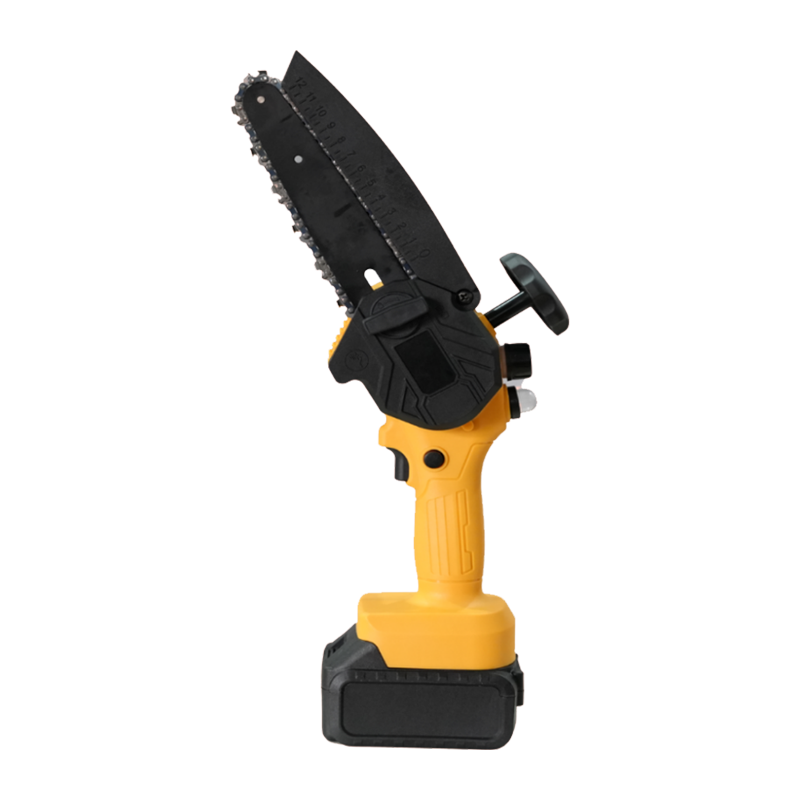
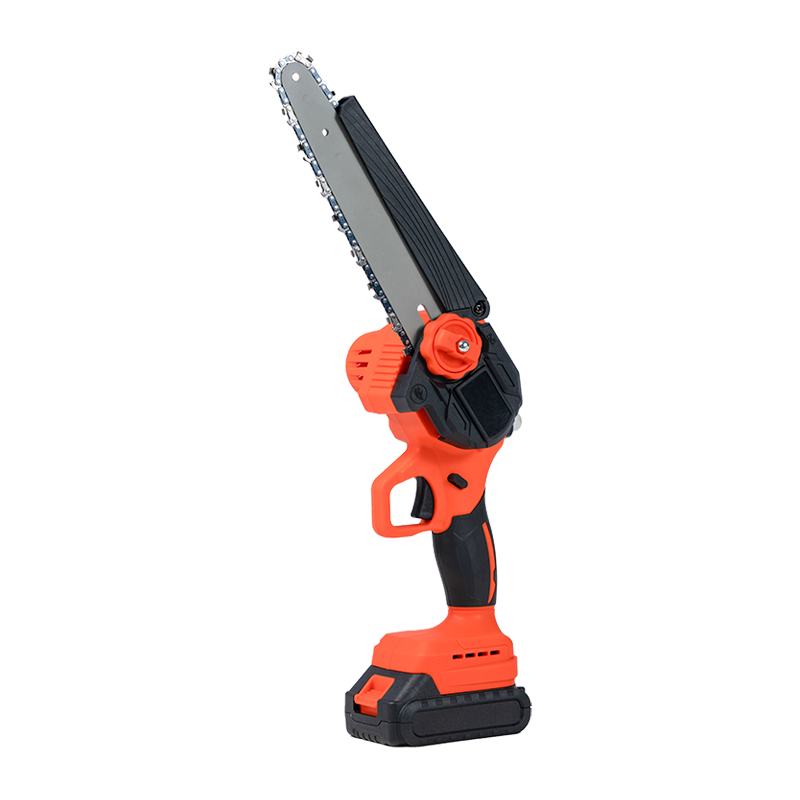
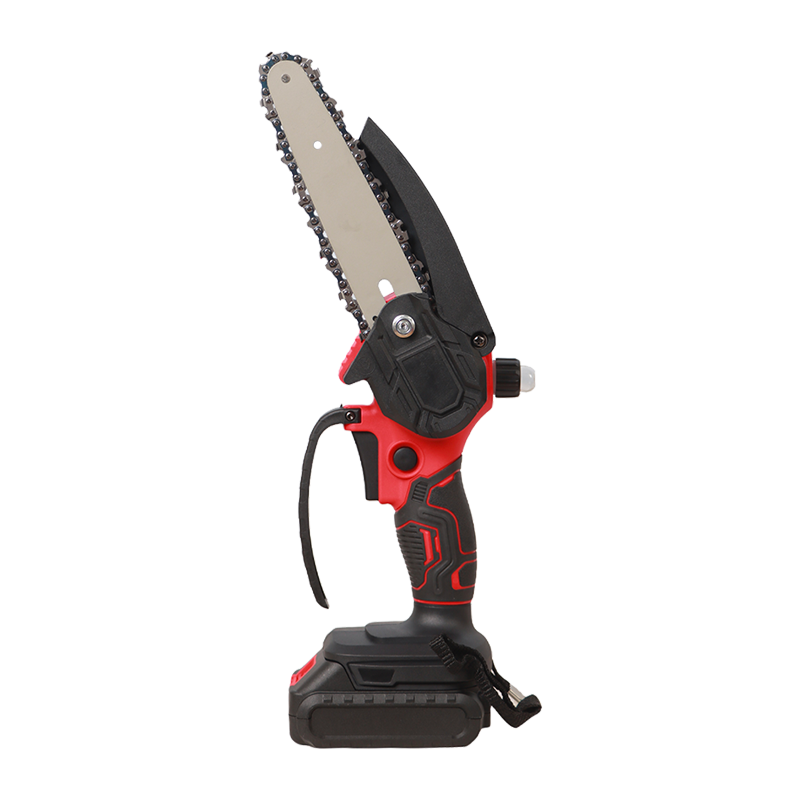
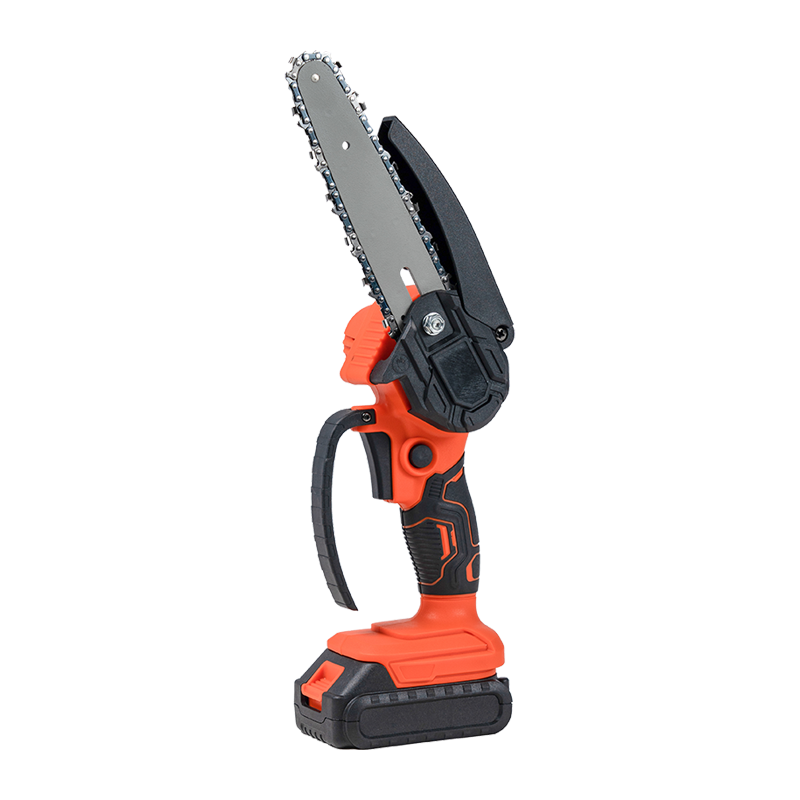
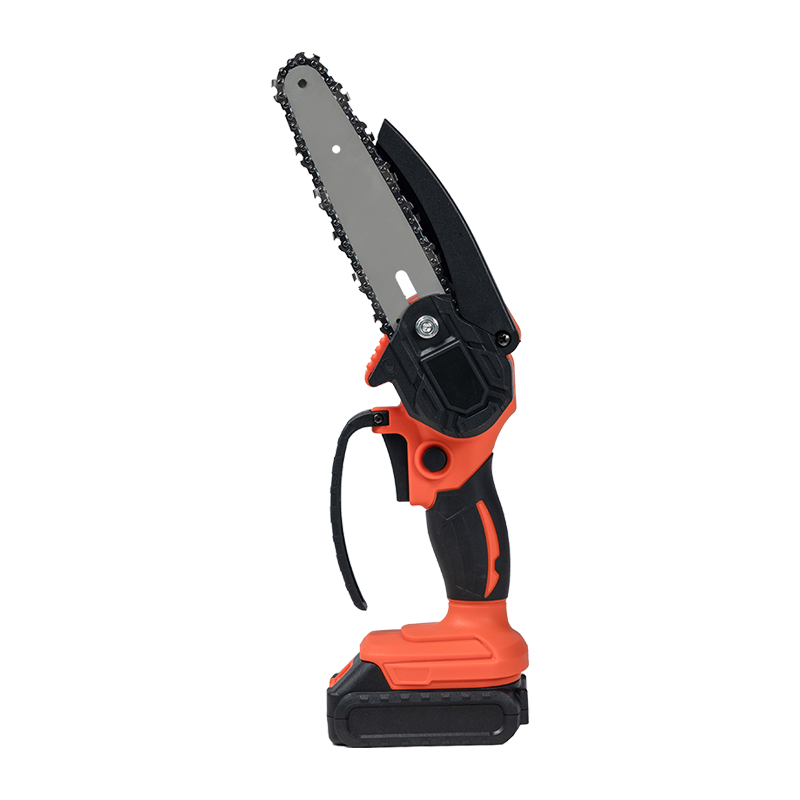
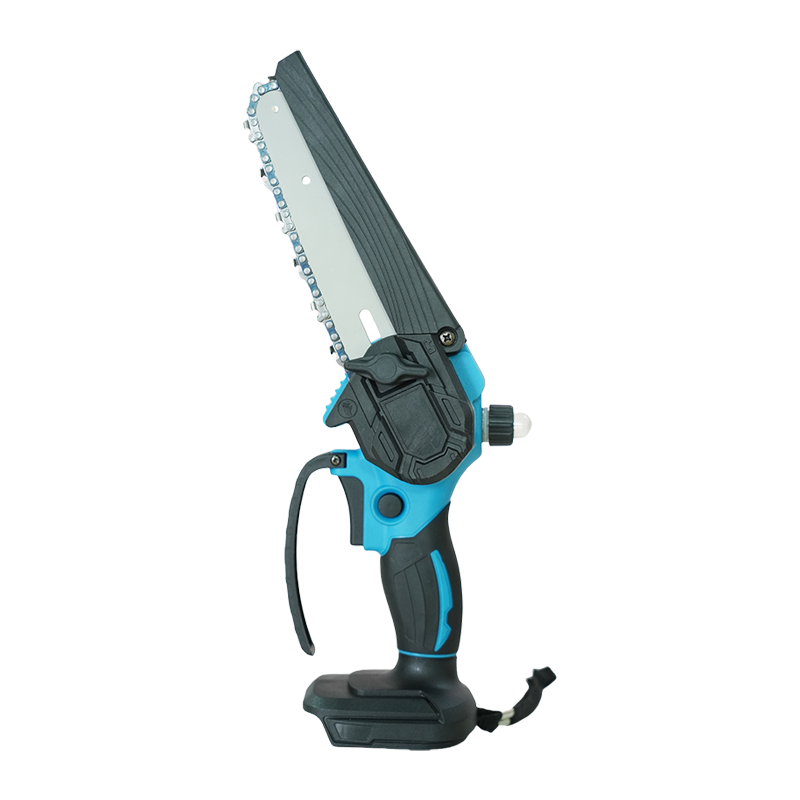
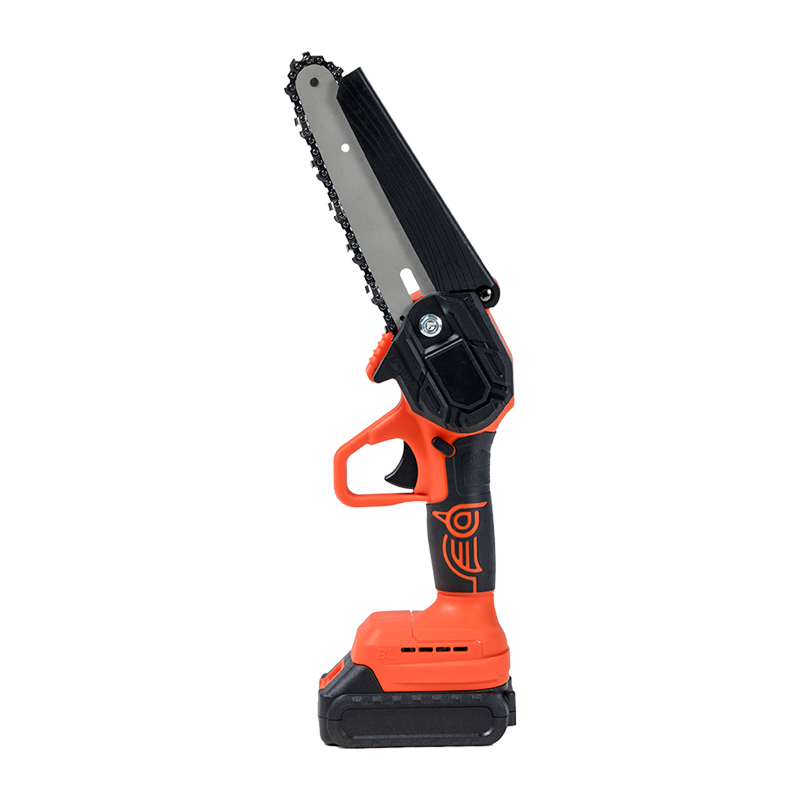
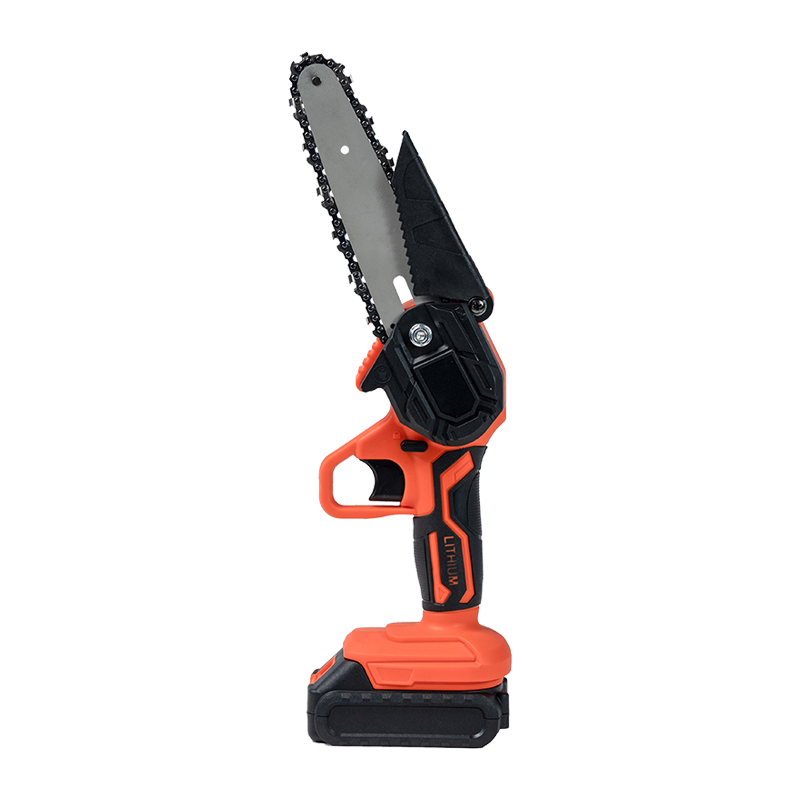
A mini chainsaw, by contrast, is a compact, handheld cutting tool with a rotating chain and guide bar — usually 4 to 6 inches long. It is built for precision cutting through dense, hardened wood. Many modern models are powered by a lithium ion battery chainsaw system, offering cordless convenience without sacrificing torque. These tools handle branches from 1 inch up to 4–5 inches in diameter depending on the model, making them capable where hedge trimmers fail.
Cutting Efficiency on Dense Shrubs: A Direct Comparison
Efficiency is not just about speed — it includes cutting capacity, effort required, battery consumption, and finish quality. Here is how the two tools compare across key performance metrics when used on dense shrubs:
| Metric | Mini Chainsaw | Cordless Hedge Trimmer |
|---|---|---|
| Max branch diameter | Up to 4–5 inches | Up to ¾ inch |
| Surface shaping speed | Slow (cut-by-cut) | Fast (sweeping motion) |
| Performance on woody stems | Excellent | Poor to None |
| Finish quality on hedge face | Rough | Smooth and even |
| Battery runtime (typical) | 20–45 minutes | 30–60 minutes |
| One-handed use | Yes (most models) | No (two hands recommended) |
| Typical weight | 2–3 lbs | 5–8 lbs |
Where the Mini Chainsaw Outperforms
Dense shrubs — particularly mature boxwood, holly, viburnum, or overgrown laurel — often develop thick interior stems that are completely beyond the reach of a hedge trimmer's capability. This is where the mini chainsaw proves its value. With chain speeds typically ranging from 12 to 25 meters per second, a quality mini chainsaw powered by a lithium ion battery can tear through 2-inch hardwood stems in under three seconds.
Specific scenarios where the mini chainsaw is the better choice:
- Removing thick, dead inner branches from an overgrown hedge
- Hard rejuvenation pruning — cutting shrubs down to 6–12 inches from the ground
- Cutting through tangled, woody growth thicker than ¾ inch
- One-handed trimming in tight or awkward positions around garden structures
- Precision limbing of individual branches without disturbing surrounding foliage
A practical example: trimming a 10-year-old, overgrown boxwood hedge with 1.5-inch woody stems. A cordless hedge trimmer will jam repeatedly and may damage its blade within minutes. A mini chainsaw handles the same task cleanly, requiring only a sharp chain and proper lubrication.
Where the Cordless Hedge Trimmer Outperforms
For routine shaping and maintenance of soft, actively growing shrubs, the cordless hedge trimmer is genuinely faster and produces a far cleaner finish. Its wide dual-action blade — typically 16 to 24 inches long — allows a single sweeping pass to trim dozens of small branches at once. An experienced user can shape a 10-foot hedge in 10–15 minutes with a hedge trimmer; the same task done branch-by-branch with a mini chainsaw could take 45 minutes or more.
Situations where the cordless hedge trimmer wins:
- Regular maintenance trimming of soft hedges like privet, forsythia, or young yew
- Creating flat, smooth, or sculpted surfaces across a hedge face
- High-volume trimming where covering large areas quickly matters most
- Topiary work on soft-wooded shrubs requiring a consistent flat plane
Battery Performance and Runtime Considerations
Both tools have gone cordless, and battery technology is now a significant factor in the buying decision. Most modern electric chain saws cordless models — including compact mini versions — run on 20V to 40V lithium-ion battery platforms. A 20V, 2.0Ah battery typically delivers 20 to 30 minutes of continuous cutting on a mini chainsaw under moderate load.
Cordless hedge trimmers draw less power per cut due to the lighter material they handle, giving them a runtime advantage — often 30 to 60 minutes per charge on equivalent battery sizes. However, when a mini chainsaw is used on thick stems that a hedge trimmer cannot cut at all, the runtime comparison becomes irrelevant — the chainsaw is the only viable option.
Key battery tips for both tools:
- Choose a brand with a cross-compatible battery platform so one battery pack serves multiple tools
- A 4.0Ah battery roughly doubles runtime compared to a 2.0Ah pack at the same voltage
- Cold weather below 40°F (4°C) can reduce lithium-ion battery capacity by up to 20%
- Always keep a spare charged battery on hand for uninterrupted work sessions
The Case for Using Both Tools Together
Professional landscapers rarely choose one tool over the other — they use both in sequence. The recommended workflow for maintaining dense, mature shrubs is:
- Step 1: Use the mini chainsaw to remove thick interior branches, dead wood, and any stems exceeding ¾ inch in diameter.
- Step 2: Use the cordless hedge trimmer to shape the outer surface, creating a clean, even profile across the entire shrub.
- Step 3: Follow up with hand shears for fine detail work around corners and edges.
This combined approach saves time, reduces tool strain, and produces a professional finish that neither tool achieves alone. For homeowners managing several mature shrubs, investing in both a mini chainsaw and a cordless hedge trimmer — ideally from the same brand's battery ecosystem — is the most practical long-term solution.
Which Tool Should You Buy First?
If your shrubs are young, regularly maintained, and mostly soft-wooded, start with a cordless hedge trimmer. It will handle 90% of your trimming needs efficiently and with minimal effort.
If your garden has mature, neglected, or particularly dense shrubs with established woody growth, the mini chainsaw should be your first purchase. No amount of hedge trimmer power will compensate for blade width limitations on thick stems. A quality lithium ion battery chainsaw in the mini format — weighing under 3 lbs — gives you the cutting power of a full-size saw in a tool light enough to use one-handed.
Budget-conscious buyers should also note that entry-level mini chainsaws are available from $35 to $80, while quality cordless hedge trimmers typically start at $60 to $150. For pure cutting power per dollar spent on dense shrub work, the mini chainsaw offers exceptional value — particularly as part of a broader cordless tool ecosystem where the battery is already owned.
Ultimately, cutting efficiency is a function of matching the tool to the task. The electric chain saws cordless category — including compact mini models — is increasingly powerful and practical for garden use. Used alongside a cordless hedge trimmer, it transforms even the most overgrown shrub from a seasonal challenge into a manageable, satisfying task.