English
 русский
 Español
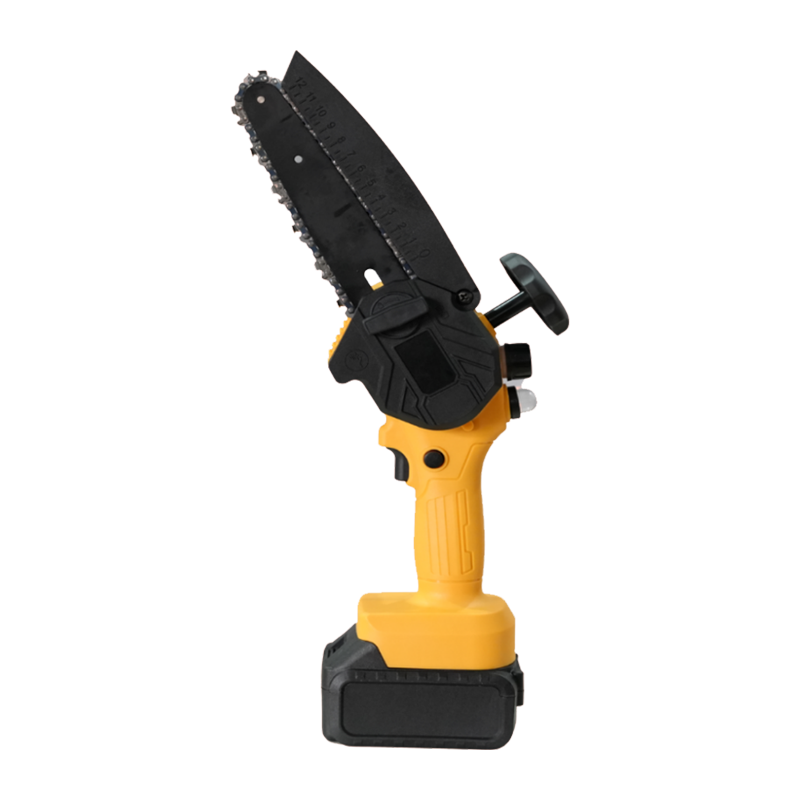
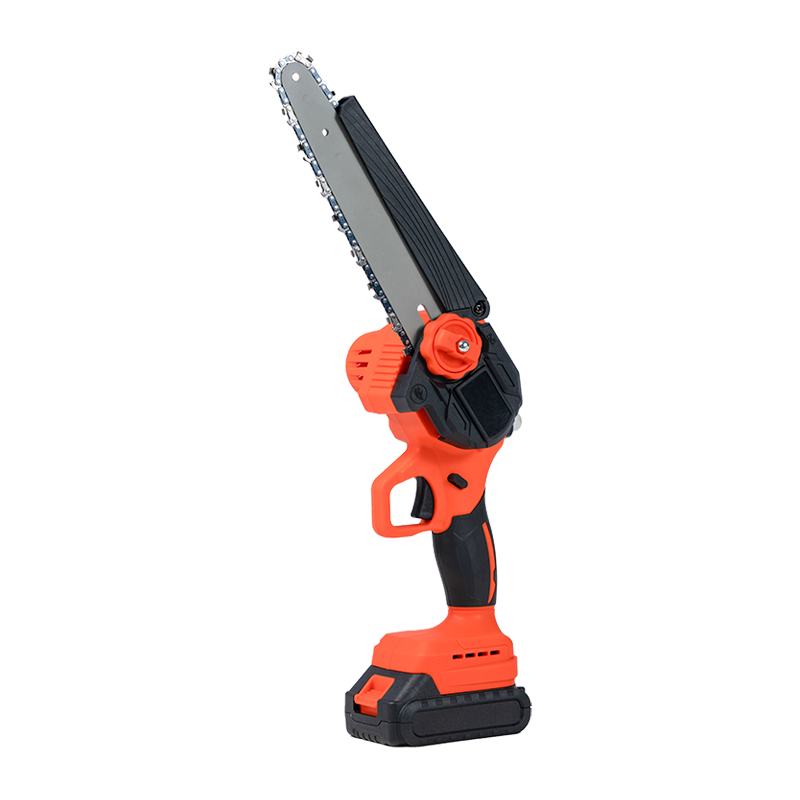
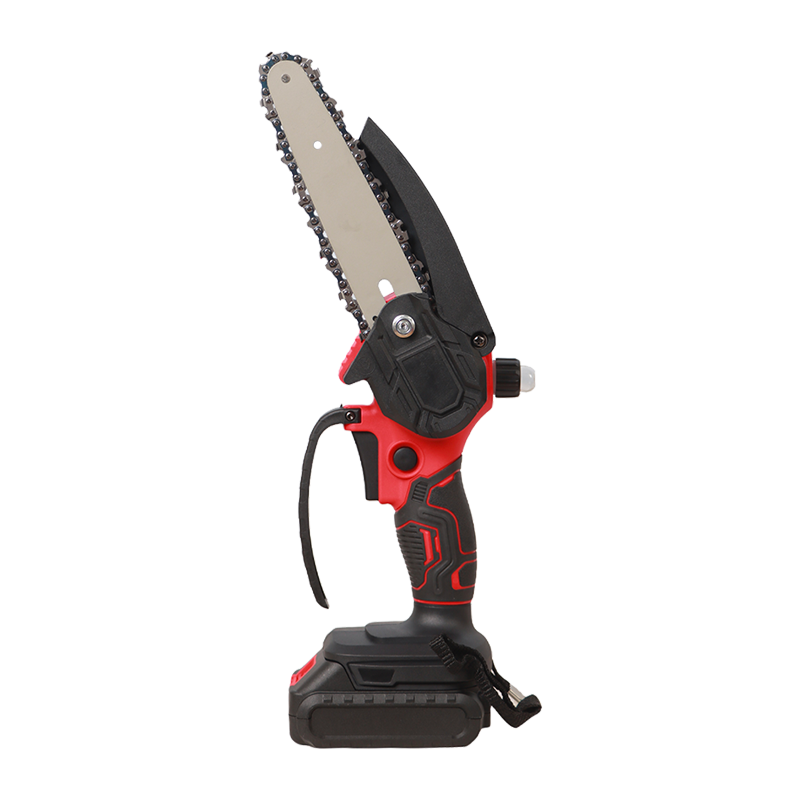
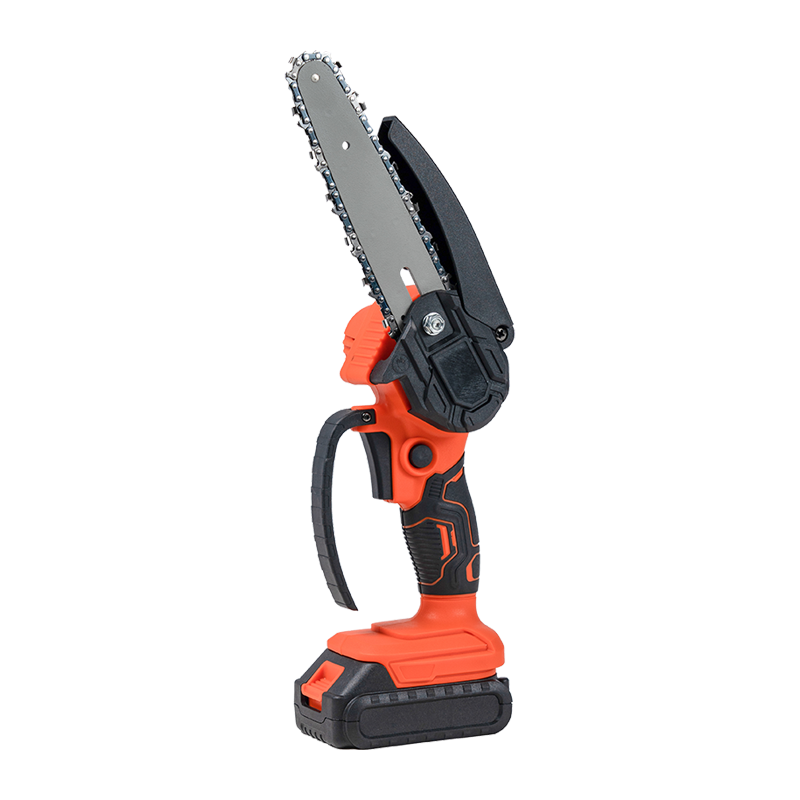
The Lithium Hedge/product/lithium-hedge-trimmer/ Trimmer incorporates multiple layered safety mechanisms designed to prevent accidental injuries, protect the battery system, and ensure reliable operation under various conditions. These features include dual-hand activation switches, blade guards, automatic stop systems, battery management protection, and vibration-dampening handles — all working together to make the tool safer for both residential and light commercial users.
Whether you are using a basic Hedge Trimmer or a more advanced Gardening Lithium Hedge Trimmer, understanding these safety features is not just about compliance — it directly affects how confidently and efficiently you can work. Below is a comprehensive breakdown of every major safety mechanism found in modern Lithium Hedge Trimmers.
Dual-Hand Activation Switch
One of the most critical safety features in a Lithium Hedge Trimmer is the two-handed start switch, also referred to as a dual-interlock trigger system. This design requires the operator to engage both the front handle switch and the rear trigger simultaneously before the blade begins moving.
The logic behind this is straightforward: if only one hand is on the tool — due to a slip, distraction, or obstacle — the blade will not activate. According to industry safety data, over 60% of Hedge Trimmer injuries occur when the operator loses grip with one hand, making this dual-activation requirement one of the most effective injury prevention mechanisms available.
When either hand releases its grip, the blade stops within milliseconds, significantly reducing the window for accidental contact.
Blade Tip Guard and Contact Protection
The blade tip of a Lithium Hedge Trimmer is one of its most exposed and dangerous zones, especially when maneuvering around fence posts, walls, or hard surfaces. Most quality models include a molded plastic blade tip guard that covers the forward-most teeth of the cutting bar.
This guard serves two purposes:
- It prevents the blade tip from making unintended contact with solid surfaces, which could cause kickback or blade damage on any Hedge Trimmer.
- It protects the user's forward hand from accidental blade exposure during close-quarter trimming.
Some premium Gardening Lithium Hedge Trimmer models also include a rear blade guard that covers the back edge of the blade when the trimmer is carried or stored, preventing accidental lacerations during transport.
Automatic Blade Stop System
Modern Lithium Hedge Trimmers are equipped with an electronic brake or automatic blade stop that halts blade movement within 0.1 to 0.3 seconds of releasing the trigger. This is significantly faster than older corded Hedge Trimmer models that rely on mechanical inertia to slow the blade.
The electronic brake works by reversing a small current pulse through the motor upon trigger release, creating resistance that rapidly decelerates the reciprocating blade. For brushless motor variants, this response time is even shorter due to more precise motor control.
This feature is particularly valuable when using a Gardening Lithium Hedge Trimmer to trim overhead hedges or working on ladders, where sudden imbalance requires the user to release the tool quickly.
Battery Management System (BMS) Protections
The lithium battery in a Lithium Hedge Trimmer is not just a power source — it is a managed energy system with built-in electronic safeguards. A well-designed Battery Management System (BMS) typically includes the following protections:
| Protection Type | What It Does | Typical Trigger Threshold |
|---|---|---|
| Overcharge Protection | Stops charging when the battery is full | Above 4.2V per cell |
| Over-discharge Protection | Shuts down the tool before battery is fully depleted | Below 2.5V per cell |
| Overheating Protection | Cuts power if the battery temperature exceeds safe limits | Above 60°C (140°F) |
| Short-circuit Protection | Instantly disconnects current on a detected short | Within microseconds |
| Overcurrent Protection | Limits current draw during heavy cutting loads | Varies by model (typically 20–40A) |
These protections not only extend battery lifespan but also prevent thermal runaway — a rare but serious condition in lithium batteries that can lead to fire. A Lithium Hedge Trimmer with a certified BMS is measurably safer than one without, and this holds true for every category of Hedge Trimmer on the market today.
Anti-Vibration Handle System
While vibration may not seem like an immediate safety threat, prolonged exposure to high-frequency vibration can cause Hand-Arm Vibration Syndrome (HAVS) — a serious occupational health condition that damages nerves and blood vessels in the hands and arms. This risk applies to any power Hedge Trimmer, but it is especially relevant for users who operate a Gardening Lithium Hedge Trimmer for extended sessions across large garden areas.
Quality Lithium Hedge Trimmers address this through:
- Rubber-isolated handle mounts that absorb motor and blade vibration before it reaches the user's hands.
- Soft-grip overmolded handles that distribute grip pressure and reduce localized stress points.
- Counterbalanced blade mechanisms that minimize oscillation transfer into the chassis.
Under European standard EN 60745, hedge trimmers must declare their vibration emission value in m/s². Many Lithium Hedge Trimmers achieve values below 2.5 m/s², well within the safe daily exposure action value of 2.5 m/s² for an 8-hour workday as defined by the EU Physical Agents Directive.
Lock-Off Button to Prevent Accidental Start
A trigger lock-off button is a small but critical safety feature on most Lithium Hedge Trimmers. This button must be deliberately pressed and held before the main trigger can be squeezed, requiring a conscious two-step action to start the blade.
This design prevents the Hedge Trimmer from starting accidentally if:
- The tool is bumped or dropped while being carried.
- The trigger is inadvertently pressed against clothing or a surface.
- A child or untrained person picks up the Gardening Lithium Hedge Trimmer without understanding its operation.
When the lock-off button is not engaged, the trigger is physically blocked, making it impossible to start the Lithium Hedge Trimmer regardless of how much force is applied.
Thermal Overload Cutoff for the Motor
During heavy-duty trimming sessions — particularly when cutting through dense, thick hedges — the motor of a Lithium Hedge Trimmer can experience excessive heat buildup. A thermal overload protection system monitors the motor's internal temperature and automatically cuts power when a critical threshold is reached.
This prevents two key risks common to any high-performance Hedge Trimmer:
- Motor burnout, which can permanently damage the tool and potentially cause sparking or smoke.
- External casing overheating, which could make the handle uncomfortable or unsafe to grip.
After a thermal cutoff event, the Lithium Hedge Trimmer typically requires a 5–15 minute cooling period before it can be restarted. This forced pause serves as a practical reminder to pace the workload appropriately, especially when using a Gardening Lithium Hedge Trimmer on a large property with continuous heavy-load cutting.
Weather and Debris Resistance
Garden environments expose tools to moisture, dust, and debris — all of which can compromise both performance and safety. Many Lithium Hedge Trimmers carry an IP54 rating or equivalent, meaning they are protected against dust ingress and splashing water from any direction.
This rating matters from a safety standpoint because:
- Moisture entering the motor housing or battery contacts of a Hedge Trimmer can cause electrical short circuits, increasing the risk of shock or fire.
- Debris buildup around the blade mechanism can cause jamming, which may force the operator to apply unsafe manual pressure to free the blade.
Sealed switch housings and gasket-protected battery compartments are common design elements that contribute to this protection level in higher-quality Gardening Lithium Hedge Trimmer models, making them a more dependable choice for year-round outdoor use.
Summary: Safety Features at a Glance
The following table summarizes the core safety mechanisms in a Lithium Hedge Trimmer and their primary benefit:
| Safety Mechanism | Primary Benefit |
|---|---|
| Dual-Hand Activation Switch | Prevents blade operation with only one hand engaged |
| Blade Tip Guard | Protects against tip contact and kickback |
| Automatic Blade Stop | Halts blade within 0.1–0.3 seconds of trigger release |
| Battery Management System | Prevents overcharge, overheating, and short circuits |
| Anti-Vibration Handle | Reduces HAVS risk during extended use |
| Lock-Off Button | Stops accidental startup |
| Thermal Overload Cutoff | Prevents motor burnout and overheating |
| Weather Resistance (IP54) | Guards against electrical failure from moisture and debris |
When choosing a Lithium Hedge Trimmer, verifying that it includes all of these safety mechanisms — not just one or two — is the most reliable way to ensure a safe and productive trimming experience. Whether you are a homeowner shopping for a reliable Hedge Trimmer or a professional landscaper evaluating a Gardening Lithium Hedge Trimmer for daily use, always check for relevant certifications such as CE, UL, or GS marking, which confirm that the tool has been independently tested against established safety standards.